
Does a Shower Head Filter Help Reduce Water Waste?
Share
Malaysia’s Water Problem Is Bigger—and Closer—Than Most People Think
Malaysia is often described as a country blessed with abundant rainfall and natural water resources. This perception, however, has led many households to underestimate how fragile the national water system actually is. In recent years, Malaysians have experienced repeated water disruptions caused by pollution incidents, treatment plant shutdowns, droughts, and infrastructure failures. These disruptions frequently affect densely populated areas such as the Klang Valley, Penang, and Johor, sometimes lasting days or even weeks.
Despite these warning signs, domestic water consumption in Malaysia remains alarmingly high. According to data from the National Water Services Commission (SPAN), the average Malaysian uses well over 220 litres of water per day—far exceeding the United Nations’ recommended sustainable threshold of 165 litres per person. A significant portion of this excess usage comes not from kitchens or toilets, but from showers.
What makes this particularly concerning is that most of this water waste is not intentional. It happens quietly, repeatedly, and almost invisibly as people attempt to feel clean under poor-quality water.
How Poor Shower Water Quietly Encourages Water Waste
Many Malaysians assume that water waste comes from carelessness or long, indulgent showers. In reality, poor water quality often forces people to use more water than necessary just to achieve basic cleanliness.
When shower water contains high levels of chlorine, sediments, rust particles, and dissolved minerals, it behaves differently on the skin and hair. Soap struggles to foam properly, shampoo feels difficult to rinse out, and the skin never quite feels clean. As a result, people instinctively remain under running water for longer periods, repeatedly rinsing in an attempt to remove residue that should not be there in the first place.
Over time, this behaviour becomes routine. A shower that could reasonably take five minutes stretches to ten. A single rinse becomes three. Multiplied across households and months, this results in thousands of litres of unnecessary water usage—without anyone consciously choosing to waste water.
Why Hard Water Makes Cleaning Less Efficient
Hard water is one of the most underestimated contributors to water waste in Malaysian homes. It forms when water contains high concentrations of calcium and magnesium, which are common in many areas due to mineral-rich groundwater sources and aging distribution pipes.
When soap or shampoo is used with hard water, the minerals react with cleansing agents, reducing their effectiveness. Instead of producing a rich lather that spreads easily across the skin or hair, the soap forms a dull, sticky residue. This residue clings stubbornly to the body, making it difficult to rinse off completely.
As a result, people use more product and more water. They rinse longer, increase water temperature, and repeat washing steps—all of which contribute to higher water consumption during every shower.
Chlorine’s Role in Prolonging Showers
Chlorine is widely used in Malaysia’s water treatment process to kill harmful microorganisms and ensure water safety. While essential for public health, chlorine also alters the way water feels on the skin.
When chlorine-laden water comes into contact with the skin and scalp, it disrupts the natural lipid barrier that helps retain moisture. This leaves the skin feeling dry, tight, and uncomfortable even after thorough rinsing. Hair exposed to chlorine often feels stiff or coated, prompting additional rinsing in an attempt to restore softness.
This creates a vicious cycle. The more chlorine dries out the skin, the longer people stay in the shower trying to feel refreshed. Ironically, the water meant to clean ends up encouraging longer exposure and higher consumption.
Filtered Water Changes Shower Behaviour Without Effort
When shower water is filtered, the difference is immediate and noticeable. Filtered water, with reduced chlorine and fewer impurities, allows soap and shampoo to function as they were designed to.
Cleansers lather more quickly and evenly, covering the skin and hair with less product. Foam rinses away cleanly instead of clinging stubbornly to the body. The skin feels clean rather than stripped, and hair feels lighter rather than coated.
Because rinsing becomes easier and faster, people naturally spend less time under the shower. This reduction happens without conscious effort, behavioural changes, or discomfort. The water simply works better, and efficiency follows.
Why This Issue Becomes Worse During Malaysian Heatwaves
Heatwaves in Malaysia have become more frequent and intense, driving a sharp increase in air-conditioning usage and daily showers. Many people shower two or even three times a day during prolonged hot periods to cool down and remove sweat.
When water quality is poor, each of these showers becomes longer than necessary. Over the course of a heatwave, this dramatically increases household water demand at a time when reservoirs may already be under stress.
Filtered water helps counteract this by allowing each shower to be shorter and more effective. During periods of high water usage, even small reductions in shower time can significantly reduce overall consumption.
The Environmental Cost of Inefficient Showers
Every litre of water used in Malaysia must be treated, pumped, and distributed. This process consumes energy, chemicals, and infrastructure resources. When showers run longer due to poor water quality, the environmental cost extends beyond the household water bill.
Excessive water use increases the carbon footprint of water treatment plants and places additional strain on aging infrastructure. Improving water efficiency at the household level is therefore not just a personal choice, but an environmental responsibility.
Do Shower Head Filters Truly Reduce Water Waste?
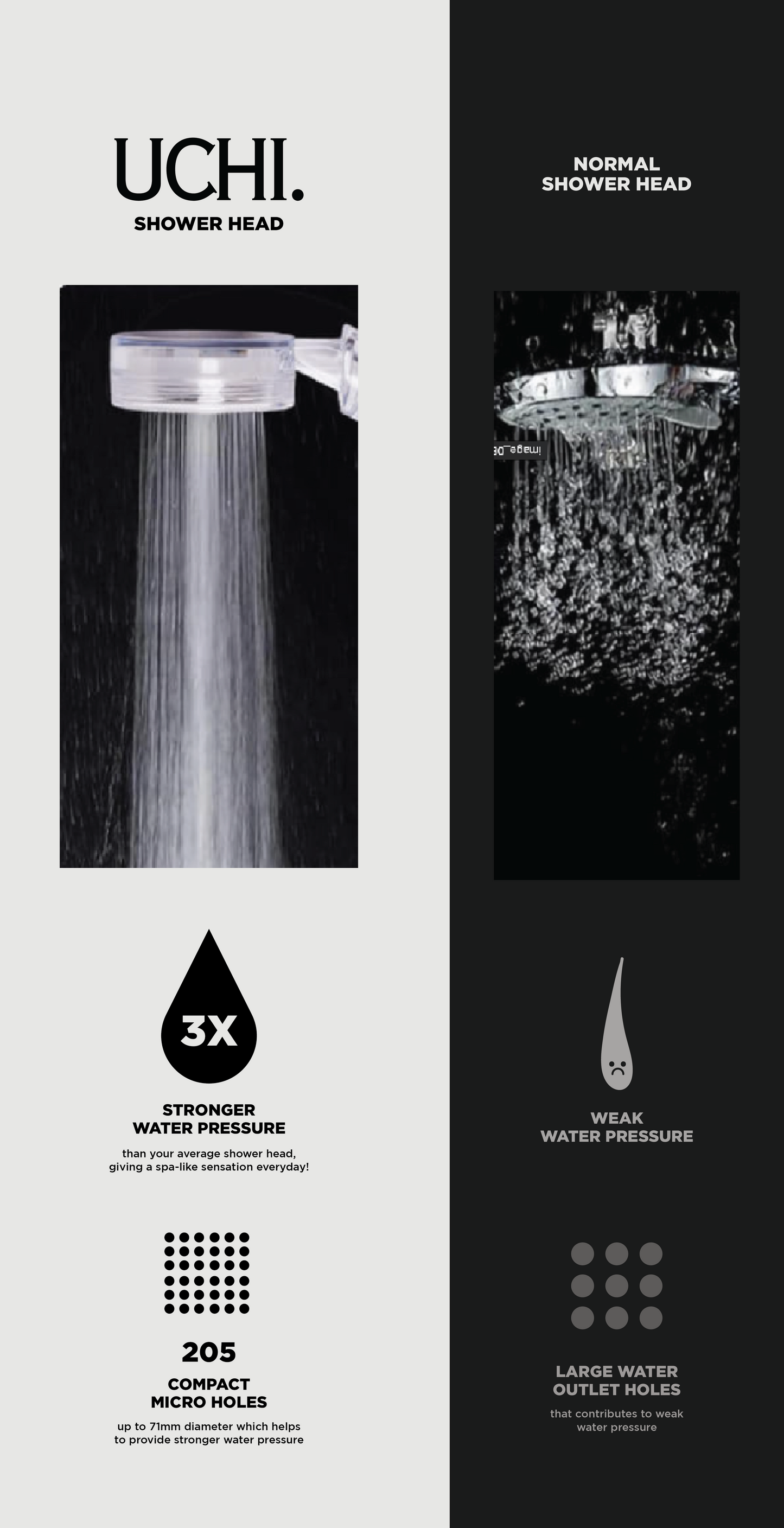
A shower head filter does not reduce water waste by limiting flow or pressure. Instead, it reduces waste by improving water quality at the point of use.
When water is cleaner, people rinse less, use less product, and spend less time under running water. This indirect effect is often more sustainable and long-lasting than mechanical flow restrictions, which can feel uncomfortable and lead users to compensate by showering longer.
Rethinking Water Efficiency Without Sacrificing Comfort
For many Malaysians and expatriates living in Malaysia, water-saving measures are often associated with inconvenience. Lower pressure, colder showers, or rushed routines can feel like a compromise in comfort.
Filtered shower water changes this narrative. By improving water quality rather than restricting usage, it allows people to enjoy their showers while quietly reducing waste.
A Smarter Way Forward for Malaysian Households
Improving water efficiency does not always require drastic lifestyle changes. Sometimes, it begins by addressing the quality of water flowing through the shower every day.
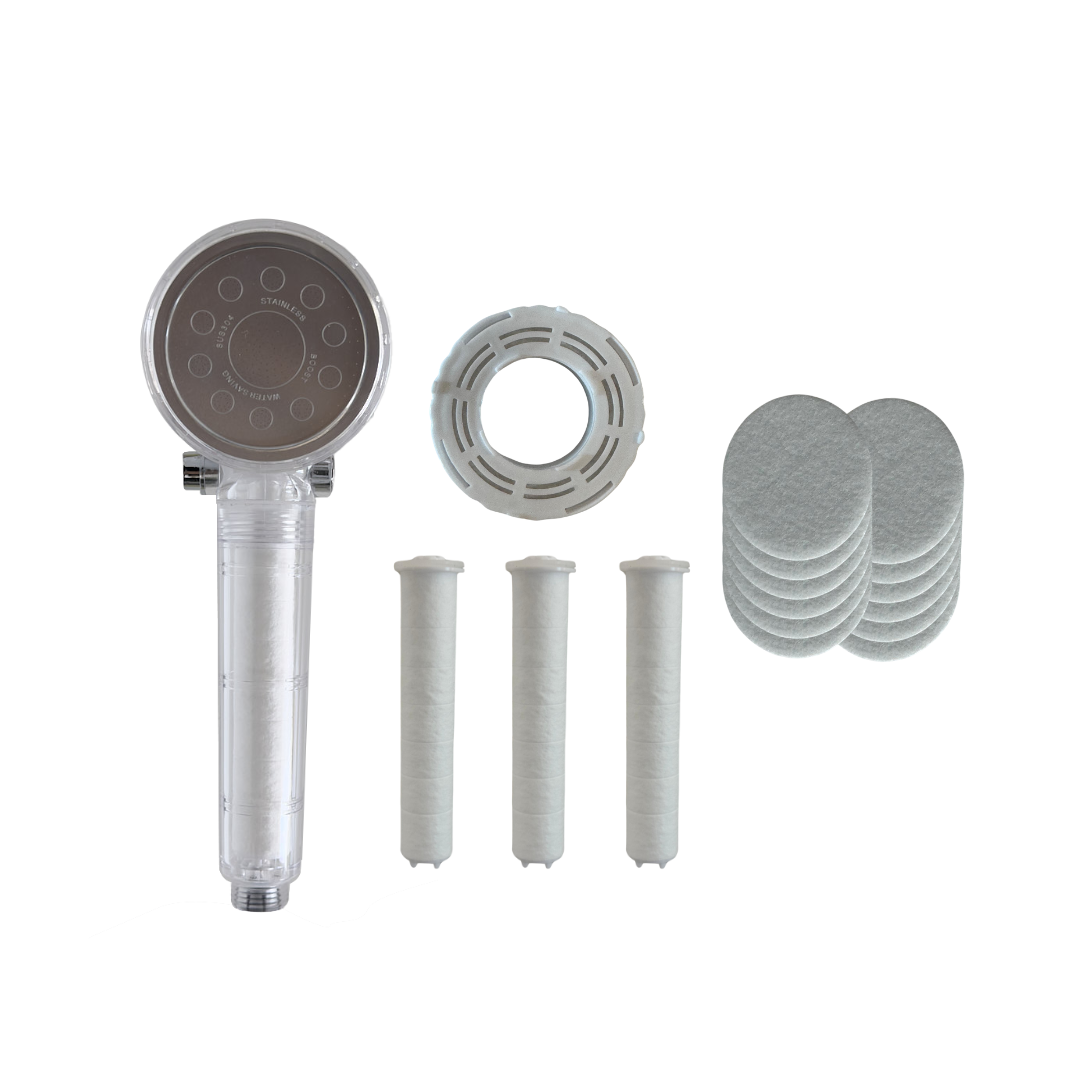
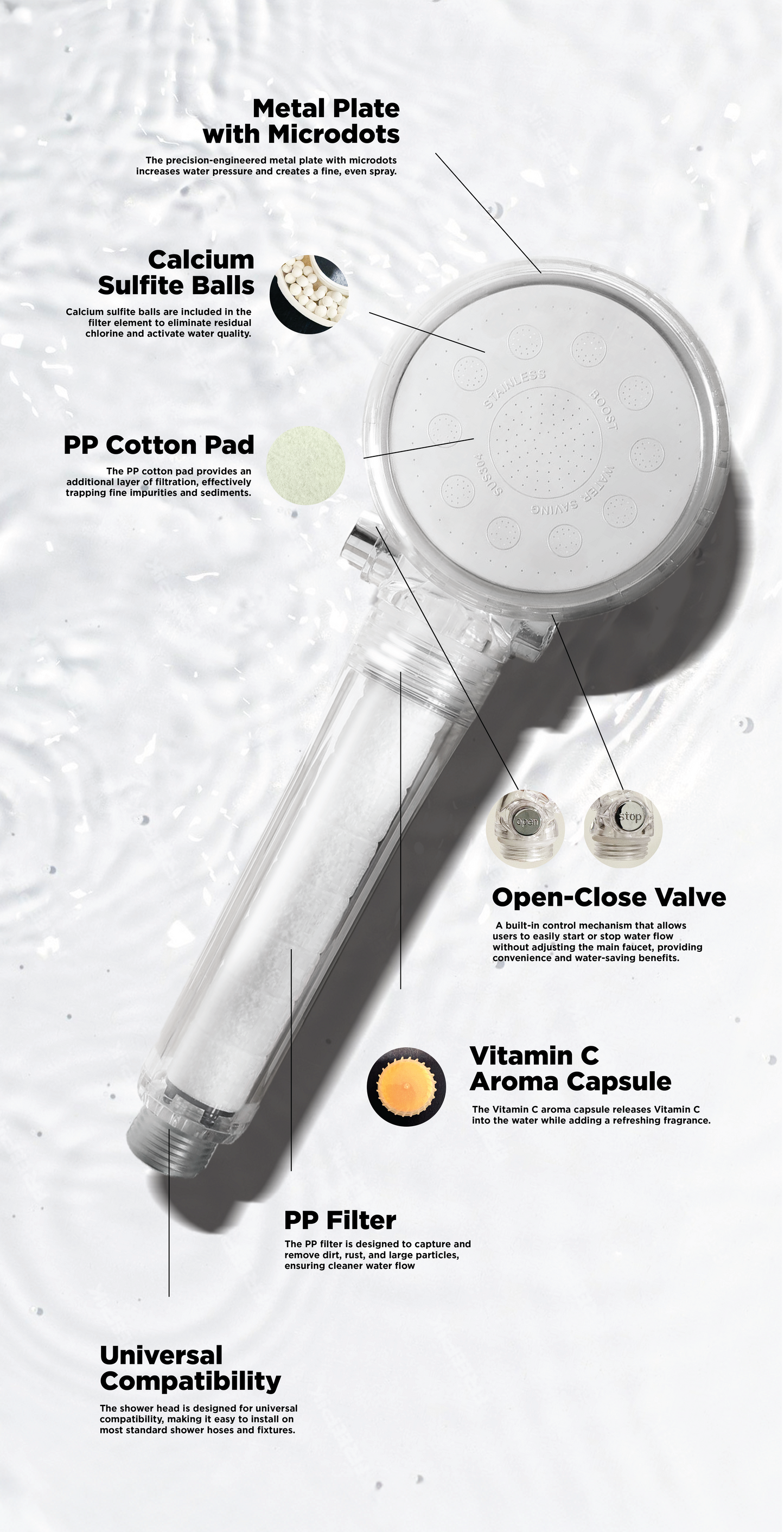
The UCHI Shower Head Filter is designed specifically for Malaysian water conditions. By reducing chlorine, sediments, and impurities, it improves lathering efficiency, supports healthier skin and hair, and encourages more efficient water use without conscious effort.
It is not about showering less; it is about making every shower count.