
How Filtered Water Can Improve the Longevity of Your Bathroom Fixtures
Share
Your Bathroom May Be Deteriorating Faster Than You Realise
Many Malaysians and expatriates living in Malaysia assume that rusted shower heads, clogged faucets, and stained bathroom fixtures are simply signs of age or poor-quality hardware. In reality, these issues are often symptoms of a deeper and more aggressive culprit: untreated shower water.
Malaysia’s tap water is treated to meet safety standards, but it still commonly contains chlorine, sediments, dissolved minerals, and microscopic particles picked up along aging pipes and distribution systems. Over time, these impurities silently attack bathroom fixtures every single day—often faster in Malaysia’s humid, tropical climate.
What starts as mild water spots or slightly reduced water pressure can eventually turn into corrosion, leaks, internal blockages, and premature fixture failure. By the time visible damage appears, the internal deterioration is often already severe.
How Sediment Buildup Slowly Chokes Your Shower Head
Sediments such as sand, rust particles, and pipe debris are common in Malaysian tap water, particularly in older residential buildings and high-rise apartments. These particles may be invisible at first, but they accumulate relentlessly inside shower heads and faucets.
As water flows through narrow internal channels, sediments begin to lodge themselves in tiny openings. Over time, this buildup restricts water flow, creates uneven spray patterns, and increases internal pressure within the fixture. The result is not only a poor shower experience but also accelerated wear on internal components.
According to the World Health Organization, suspended particles in water contribute significantly to mechanical damage and clogging in plumbing systems, particularly when filtration is absent. In Malaysia’s context, where water supply interruptions and pipe flushing events are not uncommon, sudden surges of sediments can dramatically worsen this problem overnight.
Chlorine: The Silent Corrosive Agent in Your Bathroom
Chlorine is essential for disinfecting water, but it is also chemically aggressive. When chlorine-treated water repeatedly comes into contact with metal fixtures, rubber seals, and internal valves, it gradually breaks down protective coatings and materials.
Chrome finishes may lose their shine, brass fittings may pit internally, and rubber washers can become brittle and cracked. Over time, this chemical stress leads to leaks, stiffness in controls, and internal corrosion that cannot be seen from the outside.
Studies published by the U.S. Environmental Protection Agency confirms that long-term exposure to chlorinated water accelerates corrosion in plumbing components and fixtures, particularly in warm and humid environments. In Malaysia, where bathrooms often remain damp due to humidity, chlorine’s corrosive effects are intensified, making fixture damage occur faster than in drier climates.
Why Malaysian Bathrooms Are at Higher Risk Than You Think
Malaysia’s tropical climate creates the perfect storm for bathroom deterioration. High humidity slows drying, allowing mineral deposits and chlorine residue to sit on fixture surfaces for extended periods. This prolonged exposure increases corrosion risk and accelerates staining.
Additionally, many urban homes rely on storage tanks and booster pumps, which can introduce additional sediments into the water supply if tanks are not regularly cleaned. For expatriates unfamiliar with these systems, fixture degradation can appear sudden and unexpected.
The combination of chlorine exposure, sediment presence, heat, and humidity means that bathroom fixtures in Malaysia often age years faster than their counterparts in temperate regions.
The Real Cost of Ignoring Water Quality
Replacing bathroom fixtures is not cheap. Shower heads, mixer taps, rain showers, and concealed plumbing systems are costly to repair or replace—especially when internal corrosion is involved.
Worse still, fixture failure often happens gradually and silently. A small internal leak caused by corrosion can go unnoticed until it leads to water damage behind walls or under floors. By then, repair costs can multiply far beyond the price of prevention.
From a homeowner’s perspective, filtered water is not just about comfort or aesthetics—it is a form of asset protection.
How Filtered Shower Water Protects Bathroom Fixtures
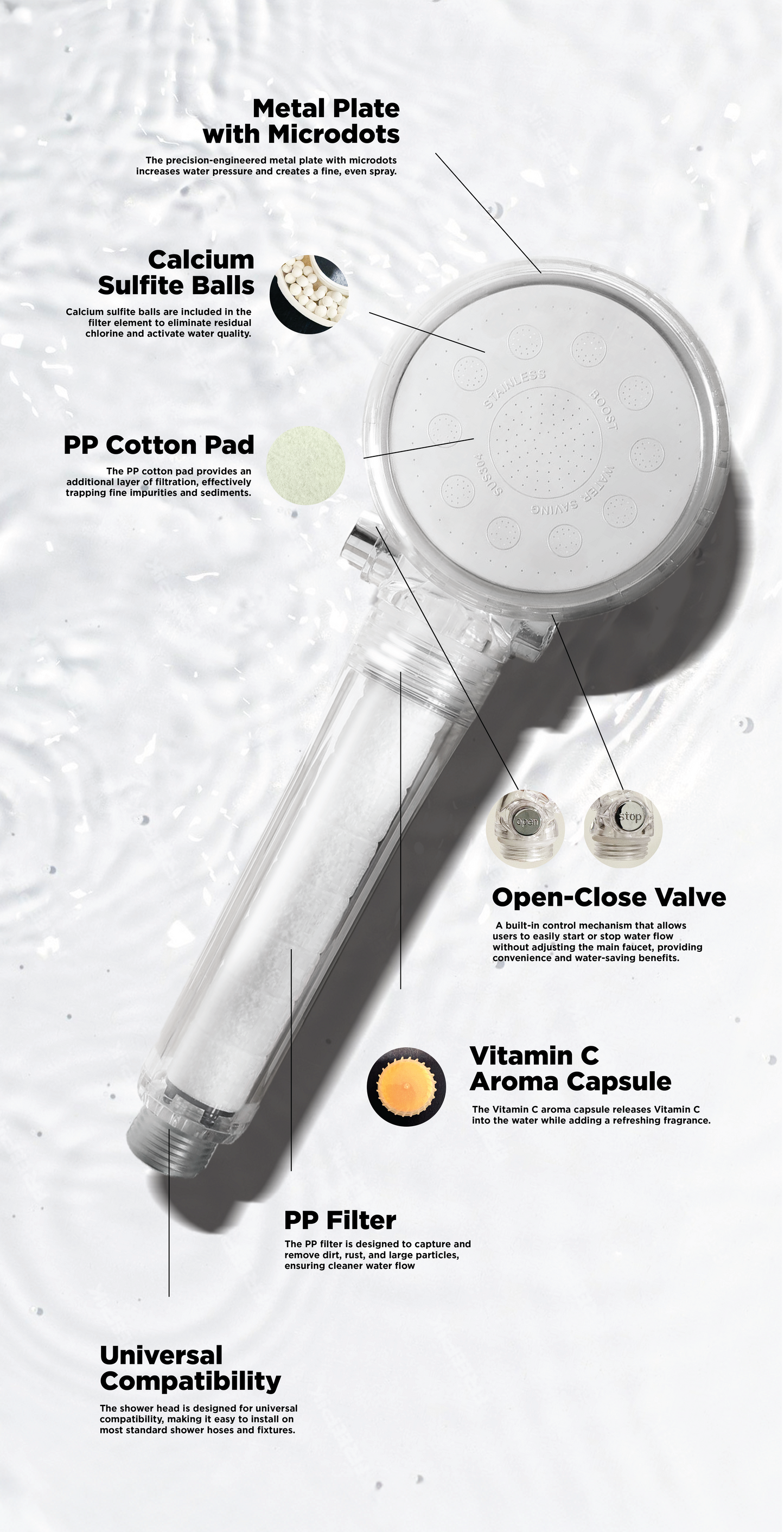
A shower head filter works by intercepting harmful elements before they reach your fixtures. By reducing sediments, rust particles, and chlorine, filtered water significantly lowers the physical and chemical stress placed on bathroom components.
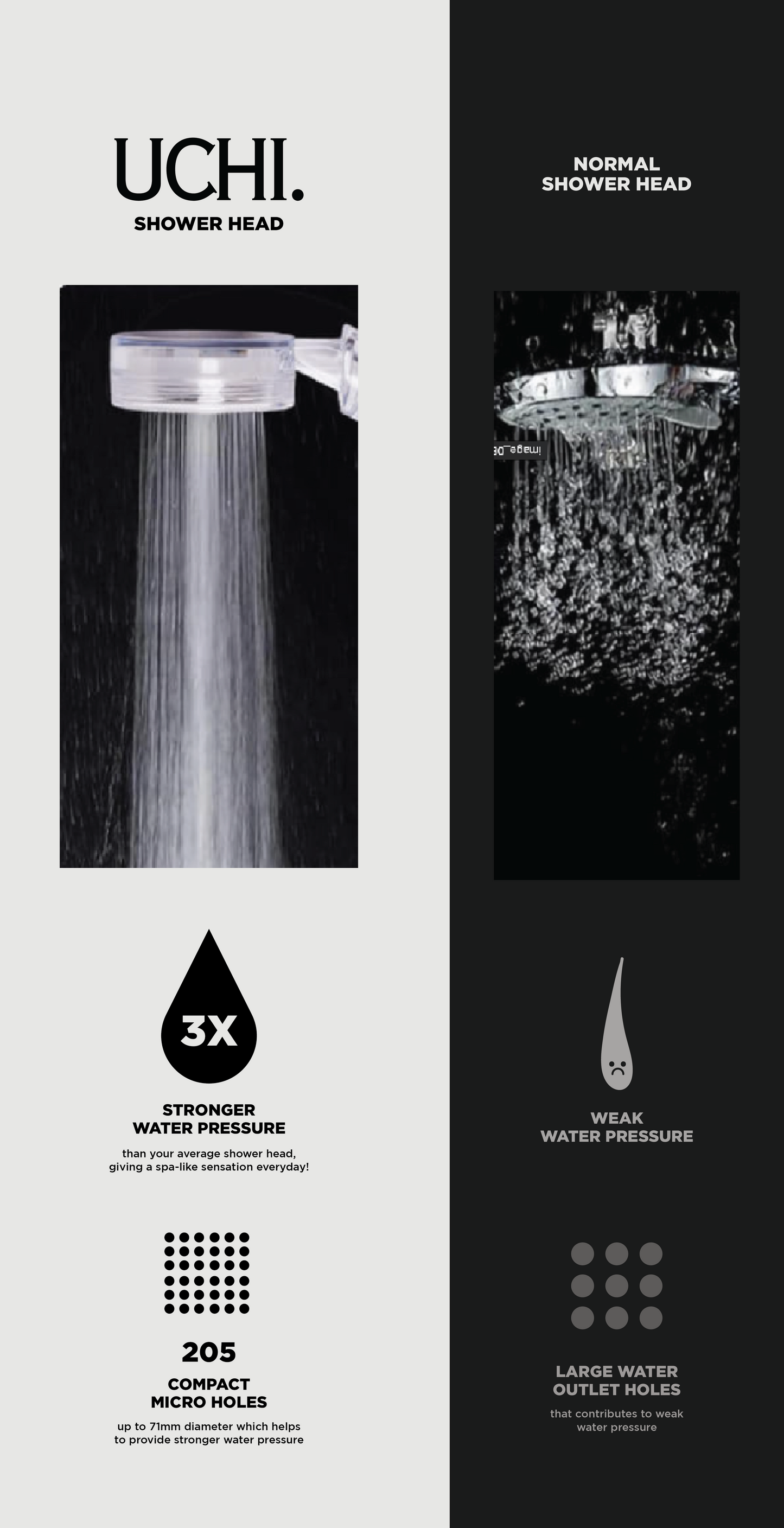
With fewer particles entering the system, internal channels remain clearer, spray nozzles clog less frequently, and water pressure stays consistent. Reduced chlorine exposure slows corrosion, preserves protective coatings, and extends the lifespan of seals and valves.
This protective effect is supported by plumbing industry research, which shows that filtration at point-of-use reduces fixture maintenance frequency and prolongs equipment lifespan .
Cleaner Water Means Less Cleaning—and Less Damage
Filtered water also leaves fewer mineral residues on fixture surfaces. This means less scrubbing, fewer harsh cleaning chemicals, and reduced abrasion from frequent maintenance.
Over time, this gentler environment helps preserve finishes and structural integrity. Fixtures remain visually clean and mechanically sound for longer periods, reducing both effort and expense.
A Practical Step Toward Long-Lasting Bathrooms in Malaysia
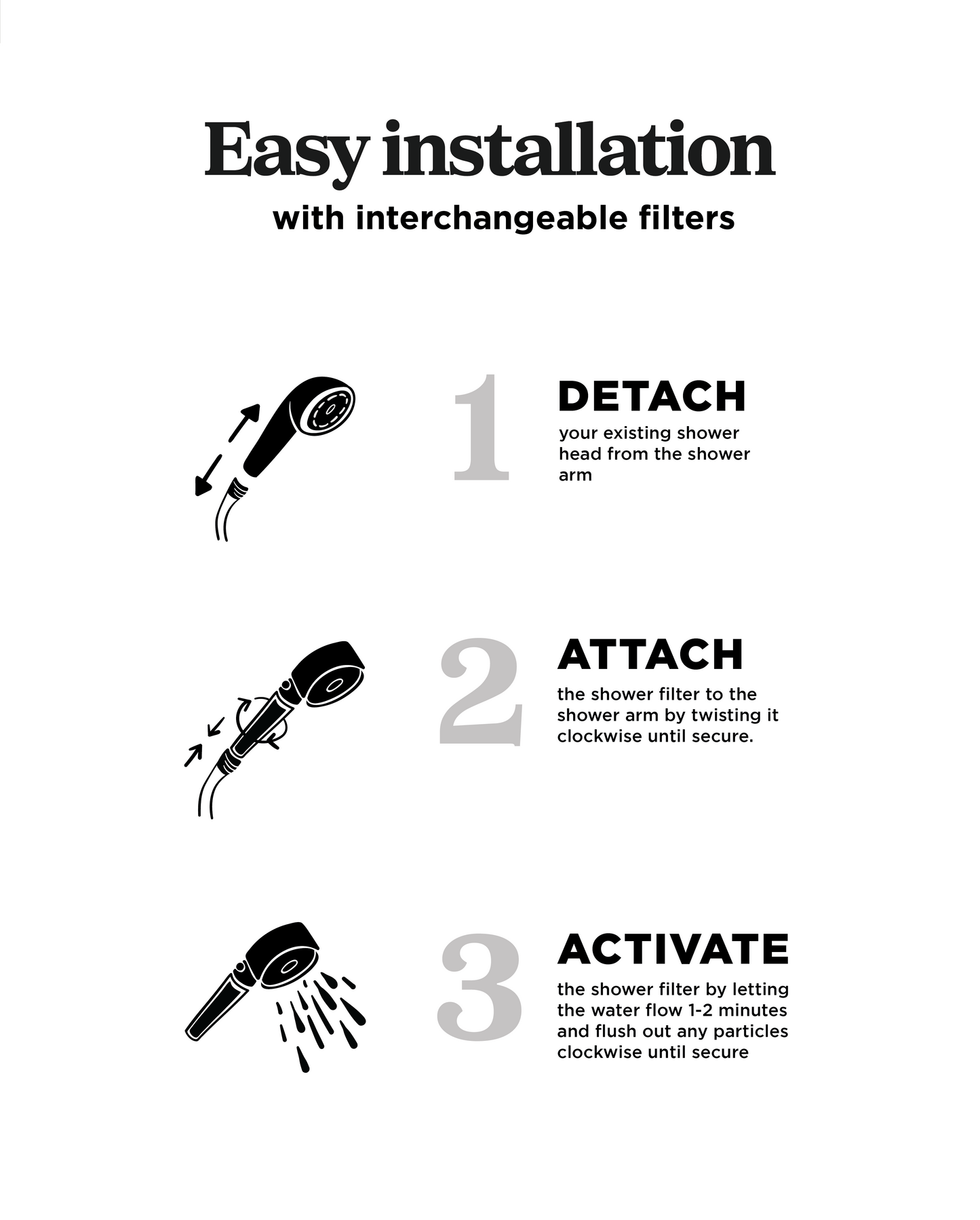
Protecting your bathroom fixtures does not require a full plumbing overhaul. Addressing water quality at the shower level is one of the simplest and most effective steps you can take.
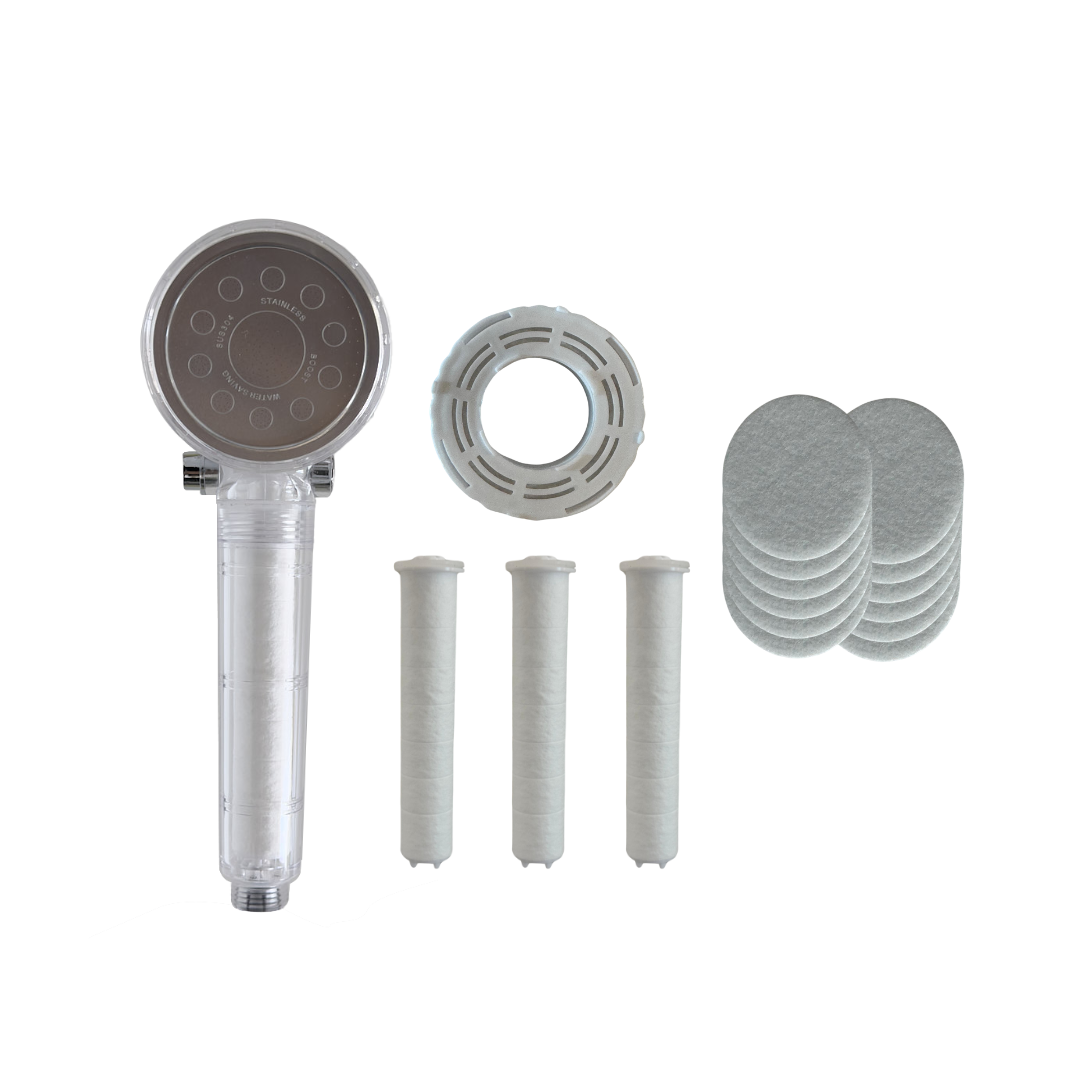
The UCHI Shower Head Filter is designed with Malaysian water conditions in mind. By filtering sediments and reducing chlorine before water reaches your shower head, it helps safeguard not only your skin and hair, but also the fixtures you rely on every day.
This is not about luxury. It is about preventing slow, invisible damage that eventually becomes costly and disruptive.
Final Thought: Water Quality Is a Maintenance Decision
Bathroom fixtures are constantly exposed to water—often for years without pause. When that water carries sediments and chlorine, damage is inevitable.
Filtering your shower water is a quiet but powerful way to protect your bathroom investment, extend fixture lifespan, and reduce long-term maintenance costs—without changing your routine or compromising comfort.
Sometimes, the most effective protection is simply stopping the damage before it starts.