
The Connection Between Shower Water and Dandruff: What Malaysians Should Know
Share
Why Your Shower Water Could Be the Hidden Cause of Dandruff
If you’ve been battling stubborn dandruff despite switching shampoos, changing diets, or consulting experts, it’s time to consider a factor most people overlook: the quality of the water you shower with every day.
In Malaysia’s tropical climate, frequent showers are normal—but so is exposure to water that contains chlorine, sediments, heavy metals, and high mineral content (hard water). What you may not realize is that these elements can wreak havoc on your scalp’s natural moisture balance and immune function.
Dandruff isn’t just “flake on a black shirt.” It’s a scalp condition rooted in dryness, irritation, and disrupted skin barrier function. While many Malaysians focus on treatment products, few recognize that the very water they rinse with twice a day may be feeding the problem.
How Chlorine in Tap Water Strips Your Scalp’s Natural Moisture
Chlorine is added to Malaysia’s tap water supply to disinfect against bacteria. It’s a lifesaving chemical for public health—but it’s not a kind companion to the delicate ecosystem of your scalp.
Scientifically, chlorine is a strong oxidizing agent. When chlorinated water contacts the skin, it can oxidize the lipids (natural oils) that make up the protective layer of your scalp and hair. This barrier is critical because it:
- Retains moisture
- Protects against microbes
- Supports healthy cell turnover
When chlorine strips away these protective oils, the scalp becomes dry, tight, and more prone to irritation. A dry scalp can trigger excessive flaking as the skin sheds irregularly, which is functionally identical to dandruff. According to dermatologic research, repeated exposure to chlorinated water can compromise the skin’s barrier and disrupt the microbiome, leading to irritation and inflammation.
In Malaysia’s heat, where many people shower multiple times daily, this repeated exposure accelerates the damage—setting the stage for persistent scalp issues that no shampoo alone can fix.
Heavy Metals & Sediments: Silent Agitators of Scalp Health
Beyond chlorine, trace amounts of heavy metals such as iron, copper, and lead can enter the tap water supply via aging infrastructure, corroded pipes, and water storage systems common in Malaysian high-rises and older homes.
While these metals are often below safety thresholds for drinking, their effects on the skin’s surface are more concerning. Heavy metals can:
- Disrupt scalp pH balance
- Trigger oxidative stress
- Interfere with cell regeneration
When these particles settle on your scalp daily, they contribute to cumulative irritation—causing itchiness, micro-inflammation, and an environment in which dandruff-causing yeast (Malassezia) can thrive. Studies show that environmental heavy metal exposure can alter skin barrier function and exacerbate dermatitis-like symptoms over time .
Hard Water: Gentle in Taste, Brutal on Your Scalp
Hard water contains elevated levels of calcium and magnesium. While harmless for drinking, these minerals interact with shampoos and soaps in ways that reduce effectiveness and leave residues on the scalp. When shampoo lathers poorly because it binds to hard water minerals, people instinctively:
- Use more shampoo
- Rinse longer
- Scrub harder
None of these “corrections” solve the real problem—in fact, they often worsen scalp dryness and irritation. Mineral buildup from hard water can create a thin filament on the scalp, blocking pores and trapping debris. This can lead to:
- Flakiness that mimics or worsens dandruff
- Scalp irritation
- Stubborn dryness that persists despite moisturizers
Dermatological research links hard water exposure to higher rates of atopic dermatitis and dry skin conditions, especially in humid climates similar to Malaysia’s.
Dandruff Is a Sign of Barrier Breakdown
At its core, dandruff is not a simple nuisance—it is a symptom of compromised scalp barrier function. When the skin’s protective layer is weakened by environmental insults (chlorine, heavy metals, mineral residue), it:
- Loses moisture faster
- Becomes more sensitive
- Is prone to microbial imbalance
An impaired barrier leads to irregular shedding of scalp cells, which appears as the familiar white flakes on dark clothing and can be accompanied by itchiness, redness, and discomfort. In many Malaysian households, the watery aggressors silently causing this damage are:
- Chlorine (from treatment processes)
- Heavy metals (from aging infrastructure)
- Hard water minerals (regional geology and treatment variability)
No amount of product stacking—serums, masks, anti-dandruff shampoos—will truly fix the root cause if the water itself continues to strip and irritate your scalp every day.
Why This Problem Is Especially Relevant for Malaysians
There are a few reasons why Malaysian residents and expats living here frequently struggle with environmentally-induced scalp irritation:
Firstly, showers here are frequent due to the demanding tropical heat. It is not unusual for individuals to shower twice or more daily, increasing their cumulative exposure to whatever is in the water.
Secondly, Malaysian water supply systems vary significantly by region and by property type (condo vs landed home), meaning that some homes receive water that carries more sediment, rust, and mineral load than others.
Thirdly, shared plumbing, booster pumps, and fluctuating pressure—especially after supply disruptions or rain events—can stir sediments and heavy particles that make their way into your shower.
All of these factors mean that Malaysian shower water is often harsher on the scalp than people realise—and the effects add up quietly over time.
How Filtered Water Improves Scalp and Skin Health
Now that we understand why unfiltered water contributes to dandruff and scalp irritation, the upside becomes clear: cleaner water = healthier skin and scalp function.
Filtered water:
- Removes or reduces chlorine, which preserves your scalp’s natural oils
- Traps sediments and heavy metals that otherwise accumulate and irritate
- Prevents mineral residue from forming on the scalp
- Improves shampoo lather, reducing the need for aggressive scrubbing or prolonged rinsing
When water is filtered, cleansing becomes more efficient. Shampoos and conditioners work as intended—without being neutralized or hindered by minerals or chemicals. This means you use less product, rinse thoroughly without wasting water, and protect your scalp’s moisture balance.
In effect, filtered water helps preserve your scalp’s natural barrier, making dandruff less likely to develop or persist.
Skincare and Scalp Care Tips for Healthier Skin in Malaysia
In Malaysia’s hot, humid climate, many people assume that dryness, dandruff, and scalp irritation are caused solely by heat, sweat, or product misuse. In reality, the quality of shower water plays a silent but critical role in daily skin and scalp damage, especially when exposure happens twice a day, every single day. When chlorinated and sediment-heavy water repeatedly hits the skin and scalp, it gradually weakens the natural protective barrier that keeps moisture in and irritants out.
One of the most overlooked habits is how often Malaysians shower. With the tropical heat, multiple daily showers are common, particularly for those who commute, exercise, or spend time outdoors. While frequent showering helps with hygiene, repeated exposure to chlorine and hard water minerals compounds skin dehydration and scalp stress. Chlorine strips away natural oils faster than the skin can replenish them, while heavy metals and sediments irritate the scalp, increasing flaking and inflammation over time. This explains why dandruff often persists even after switching shampoos.
Temperature control also matters more than most people realise. Hot showers may feel comforting, but they accelerate moisture loss from both skin and scalp, especially when combined with unfiltered water. In Malaysia, where the skin already struggles to regulate oil and hydration due to humidity, hot water worsens the imbalance. Lukewarm showers help reduce lipid loss, and when paired with filtered water, they significantly lower the risk of dryness, itchiness, and premature skin aging.
Product choice alone cannot fix a compromised scalp environment. Many anti-dandruff shampoos work by aggressively removing flakes, but they often fail to address the root cause: ongoing irritation from poor water quality. When chlorine and sediment continue to assault the scalp daily, even the best formulations struggle to perform. Filtered water allows shampoos and cleansers to lather more efficiently, rinse cleanly, and work as intended—without leaving behind residue that clogs pores or irritates sensitive skin.
Post-shower care is equally critical. Skin that has been exposed to harsh water loses moisture rapidly in air-conditioned Malaysian homes and offices. Applying moisturisers or scalp serums within minutes after showering helps seal hydration back into the skin barrier. However, products absorb and perform better on skin that has not already been stripped by chlorine, making water filtration an upstream solution rather than a downstream fix.
For families with children or individuals with sensitive skin, eczema, or chronic dandruff, the risks are even higher. Young scalps and compromised skin barriers are more vulnerable to chemical irritation. Over time, repeated exposure may lead to persistent inflammation, increased sensitivity, and accelerated aging of the skin. This is not an overnight problem—it is a slow, cumulative form of damage that many only notice once symptoms become severe.
A holistic skincare and scalp care routine in Malaysia should therefore start with clean, filtered shower water. This simple change reduces daily chemical exposure, supports the skin’s natural repair processes, and creates a healthier environment for hair and scalp care products to do their job properly. It is not about adding more steps to your routine, but about removing the hidden aggressors that undermine everything else you do.
When shower water is cleaner, the skin retains moisture longer, the scalp calms down faster, and dandruff becomes easier to manage—sometimes without changing any products at all. In a climate where showering is unavoidable and frequent, protecting your skin at the source is no longer optional; it is preventative care.
Because Malaysia’s climate and water conditions pose unique challenges, combining water quality improvement with smart skincare habits offers the best protection.
A Simple Change That Protects Scalp Health Over Years
If all of this sounds serious, it’s because it is. Chronic scalp irritation and recurring dandruff are not only aesthetically troubling—they are symptoms that your skin’s protective barrier is under constant environmental attack. Over time, this can lead to:
- Persistent itching and inflammation
- Secondary infections from scratching
- Hair brittleness and thinning
- Premature aging of the skin and scalp tissues
But here’s the good news: you don’t have to overhaul your routine to make meaningful improvements. A basic but transformative step is to improve the quality of the water you shower with every day.
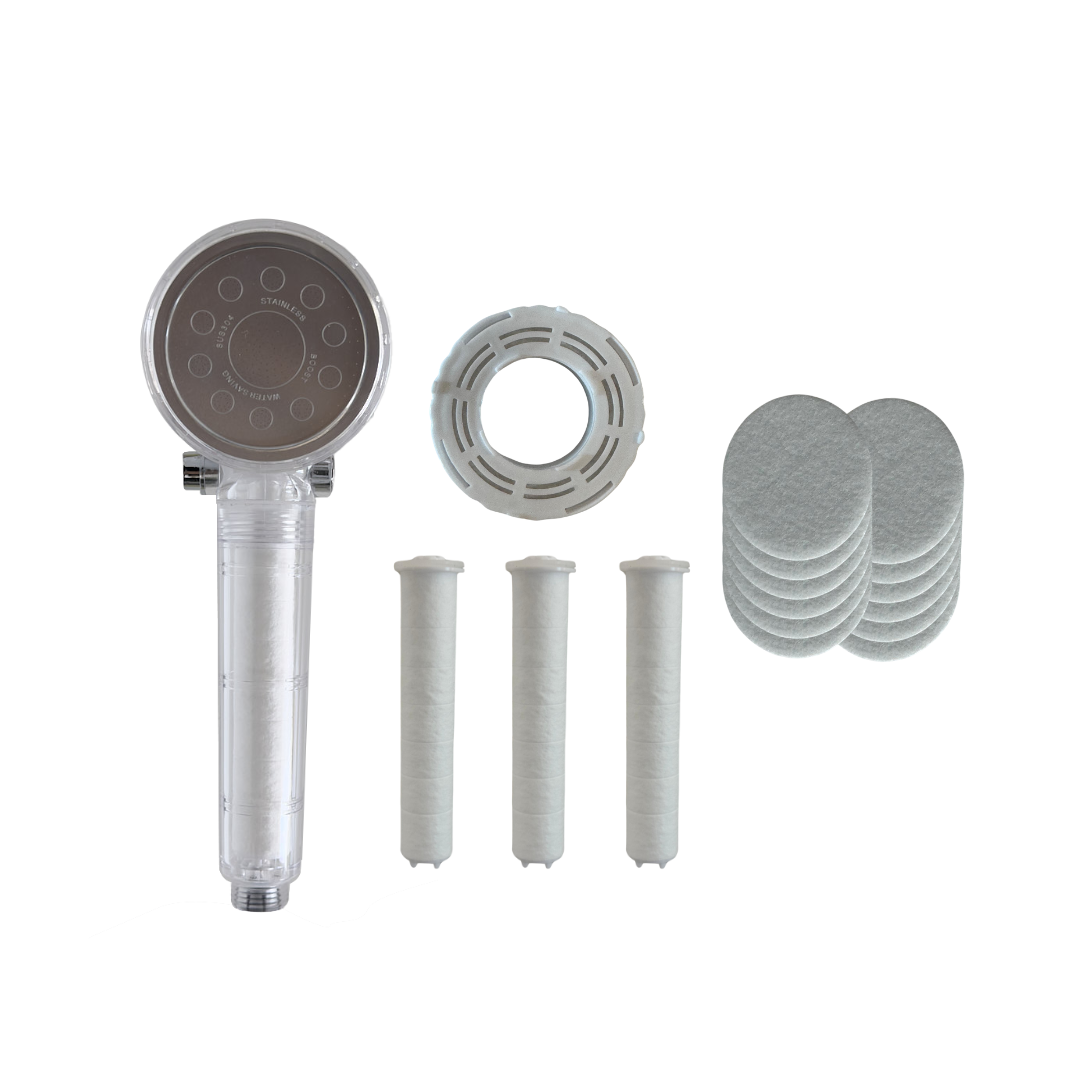
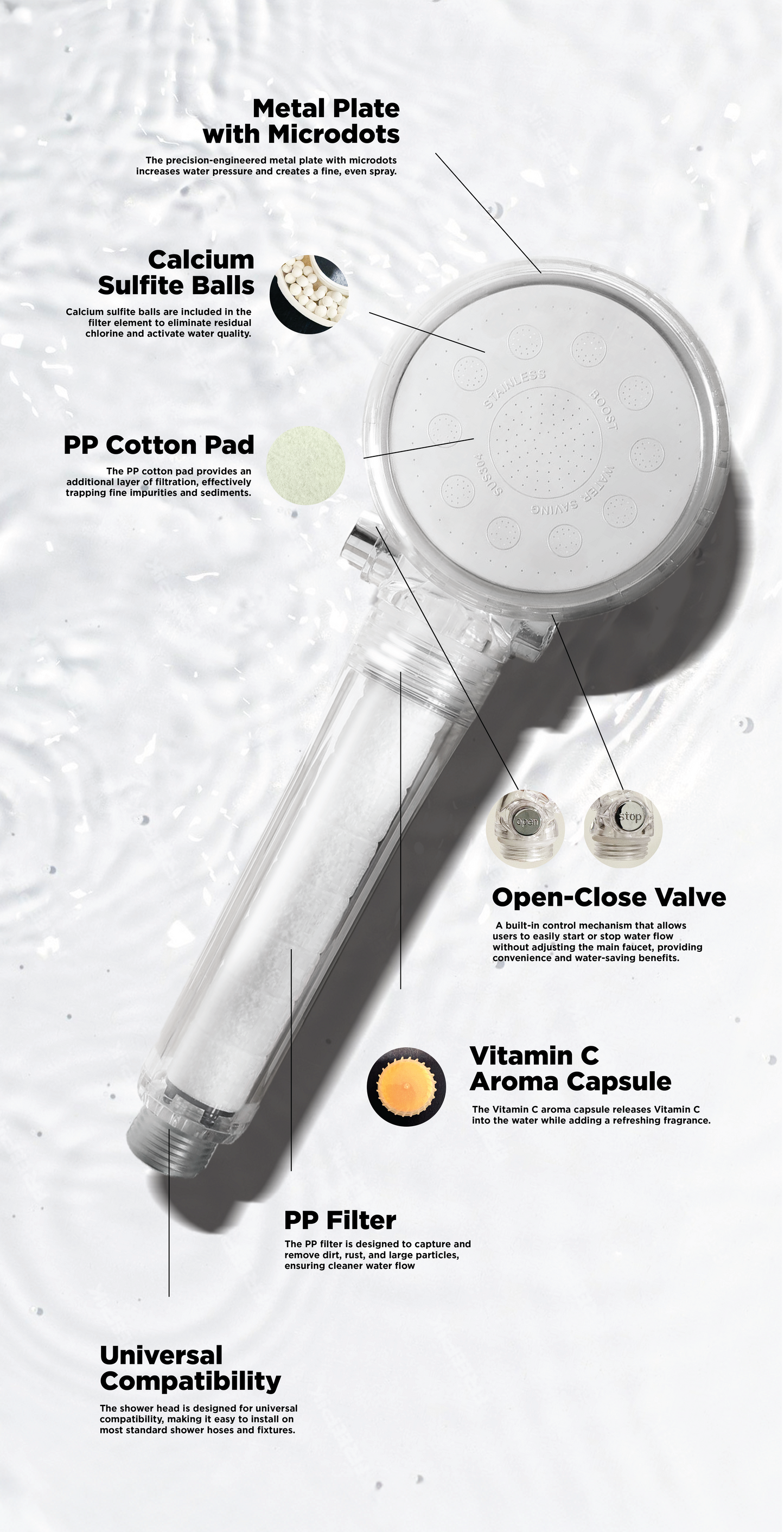
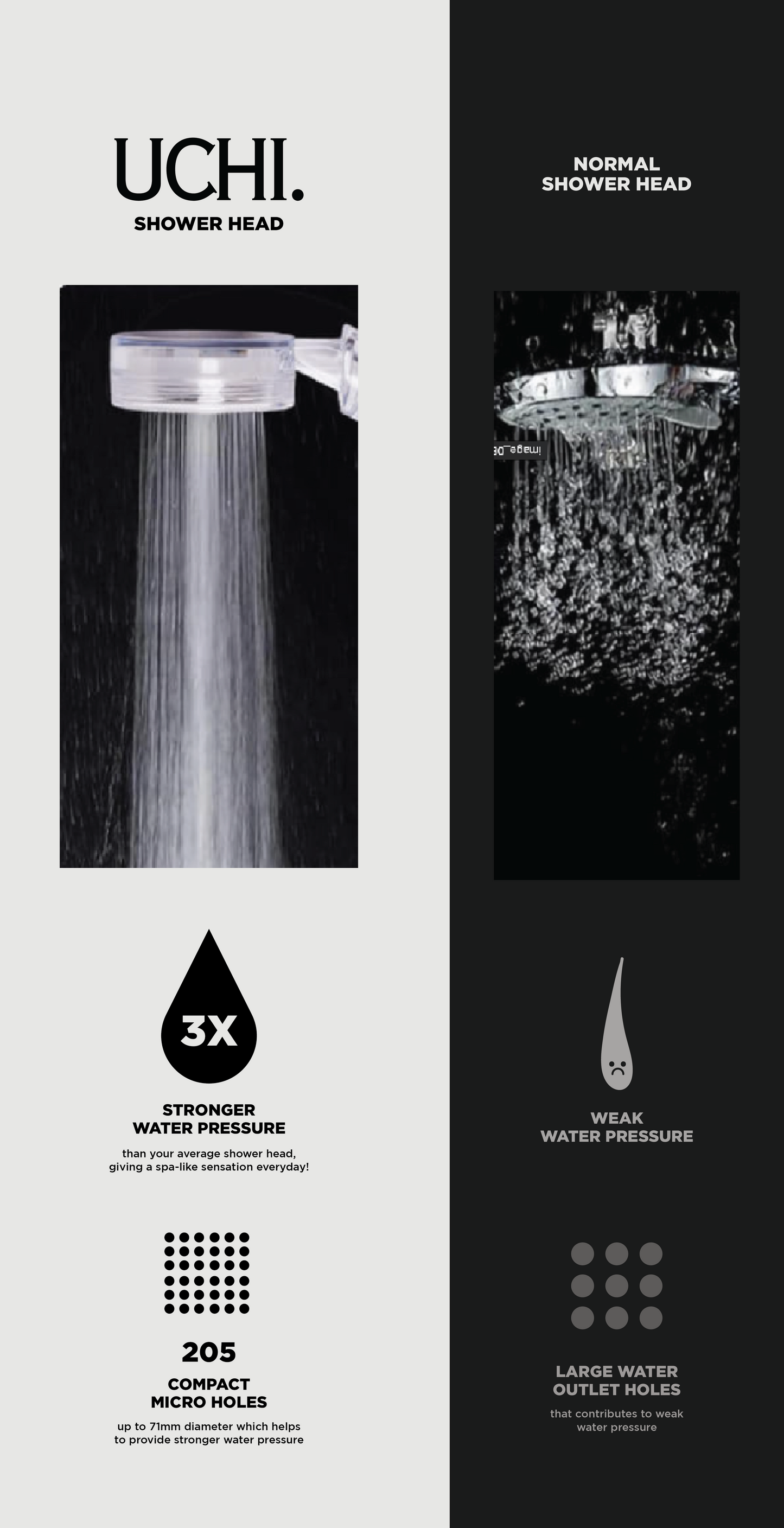
The UCHI Shower Head Filter is designed for Malaysian homes to reduce chlorine, heavy metals, and sediments at the point of use. When water is cleaner:
- Shampoo lathers more effectively
- Rinsing becomes faster and more complete
- Your scalp retains more natural moisture
- Daily exposure to chemical and mineral assaults is reduced
Filtered water isn’t just about feeling cleaner—it’s about giving your skin and scalp a fighting chance against environmental stressors that no shampoo alone can fix.
Take Action for Healthier Skin and Scalp Today
If you’ve struggled with stubborn dandruff despite trying multiple products, consider this a wake-up call: your water may be part of the problem.
Protected, gentle, filtered water establishes a healthier foundation for your skin and scalp’s natural barrier—especially in Malaysia’s challenging water environment.
Clean water is the starting point of healthy skin, scalp, and hair.
Explore the UCHI Shower Head Filter and discover how water quality can influence your scalp health—naturally, effectively, and without compromise.