
Why Does Your Water Pressure Drop? How to Fix It Without Removing Your Filter
Share
When Weak Shower Pressure Is a Warning—Not Just an Inconvenience
A weak shower often feels like a small inconvenience. Many Malaysians—and especially expatriates newly settled in Malaysia—assume it is simply part of living in a high-rise building or an older property. But in reality, a sudden or gradual drop in shower water pressure is often the first visible sign of hidden contamination and internal buildup.
What makes this dangerous is how quietly the problem develops. Sediments, rust, chlorine by-products, and mineral particles accumulate slowly inside your shower system. By the time pressure noticeably drops, your filter and fixtures may already be under stress. Left untreated, this can escalate into clogged pipes, leaking joints, corroded fittings, and costly repairs—issues that are far more severe than reduced shower comfort.
Why Water Pressure Drops Over Time—Especially in Malaysia
Malaysia’s treated tap water is safe for daily use, but it frequently contains suspended sediments, chlorine residues, and mineral particles, particularly in urban areas with aging infrastructure or shared water tanks. According to the World Health Organization, suspended solids and mineral deposits are a leading cause of household plumbing flow restriction over time .
In Malaysian homes, this issue is intensified by:
- Rooftop or communal water storage tanks that accumulate debris
- Periodic pipe flushing or water supply disruptions
- High humidity, which accelerates corrosion
- Older buildings with metal piping systems
Every shower pushes these particles through your shower head. If left unfiltered, they clog nozzles and corrode fixtures. If filtered properly, they are trapped—but that means filters require maintenance.
Does a Shower Filter Cause Low Water Pressure?
This is where many homeowners get it wrong.
A new or well-maintained shower filter does not cause poor water pressure. In fact, many users initially experience more even spray distribution. However, as the filter does its job—capturing sediments, rust, and impurities—resistance increases. Over time, water flow may slow.
This pressure drop is not a malfunction. It is evidence that the filter is actively protecting your shower system from contaminants that would otherwise enter your pipes, skin, and hair.
The real issue is not the presence of a filter—it is delayed maintenance.
Why Removing Your Filter Is the Most Risky “Fix”
Removing a clogged filter may temporarily restore pressure, but it also allows trapped impurities to surge back into your shower system. This can cause:
- Rapid clogging of shower head nozzles
- Accelerated corrosion of internal fittings
- Uneven spray patterns that worsen over time
- Permanent damage to valves and hoses
Plumbing engineering studies show that exposure to unfiltered sediment significantly shortens fixture lifespan, especially in warm and humid climates like Malaysia .
In short, removing your filter fixes the symptom—but worsens the disease.
How to Restore Water Pressure Without Removing Your Filter
The solution lies in systematic troubleshooting and routine maintenance, not removal.
In most cases, water pressure returns immediately once trapped debris is cleared or the filter cartridge is replaced. Shower filters are consumables, much like air-conditioner filters or water purifiers, and must be treated the same way. In Malaysia’s climate, where sediment levels can fluctuate, filters may need replacement more frequently than expected—especially after water supply interruptions or pipe maintenance events.
Key Troubleshooting & Maintenance Tips (What Most People Miss)
Many pressure issues persist because homeowners only check the filter itself. In reality, pressure loss often comes from multiple small blockages working together. The U.S. Environmental Protection Agency notes that routine maintenance of filtration systems is critical to maintaining flow efficiency and preventing system strain .
1. Check the Filter Cartridge First
If your shower pressure has dropped noticeably after weeks or months of use, the filter cartridge is likely saturated. In Malaysia, replacement intervals may be shorter due to sediment-heavy supply. A darkened or visibly clogged cartridge is a clear sign it has reached capacity.
2. Inspect the Shower Head Nozzles
Even with a filter, fine particles can accumulate on silicone or metal nozzles. Gently rub or rinse them under running water to remove trapped debris. Ignoring this can create uneven spray patterns that feel like low pressure.
3. Flush the Hose and Connector
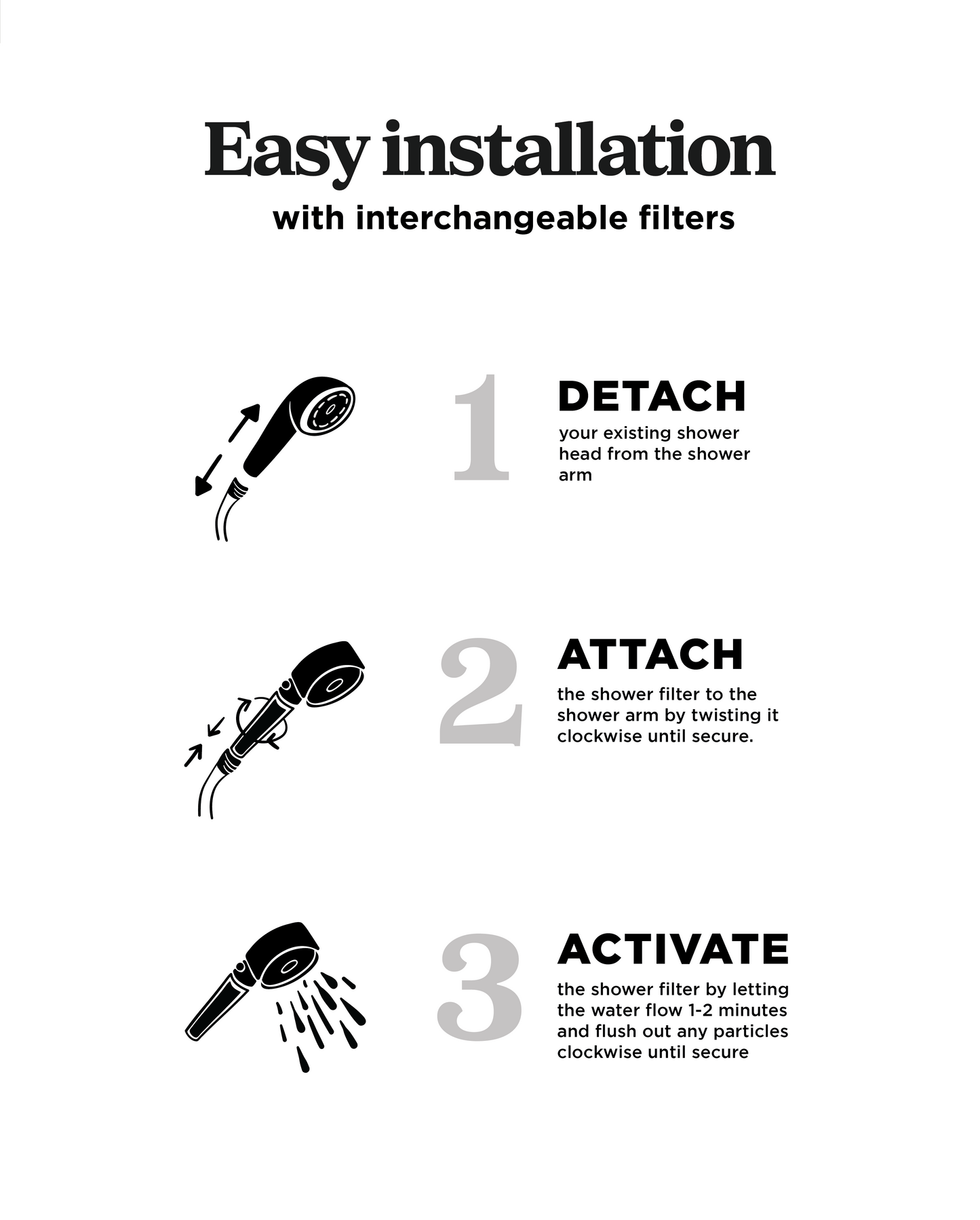
Disconnect the shower hose briefly and allow water to run freely for a few seconds. This flushes loose sediments that may have settled at connection points—an often-overlooked cause of pressure loss.
4. Watch for Sudden Pressure Drops After Water Disruptions
If pressure drops suddenly after a water outage or pipe maintenance in your area, sediment surges may have clogged the filter faster than usual. In such cases, early replacement prevents long-term strain.
5. Avoid Over-Tightening Fittings
Over-tightened connectors can distort internal seals, partially blocking water flow. Ensure fittings are snug—but not forced.
The U.S. Environmental Protection Agency highlights that neglected filtration maintenance leads to flow restriction and internal system stress, even when overall water pressure is adequate .
Why High-Rise Living in Malaysia Makes This Worse
Many Malaysian condominiums rely on booster pumps and shared vertical plumbing systems. Pressure fluctuations are common, and sediment movement increases whenever pumps cycle or tanks refill.
For expatriates used to direct municipal pressure systems, this can feel alarming. However, the issue is not faulty plumbing—it is sediment dynamics in shared systems. Regular filter maintenance becomes even more critical in these environments. Understanding this context helps prevent unnecessary renovations or fixture replacements.
The Hidden Danger of Ignoring Weak Water Pressure
Low pressure is often the last visible symptom before internal damage begins. As resistance builds, water seeks alternative paths, increasing strain on joints and seals. Over time, this can result in:
- Micro-leaks behind walls
- Mold growth from hidden moisture
- Sudden fixture failure
In Malaysia’s humid climate, such issues escalate quickly and can become health hazards. Weak pressure is not just uncomfortable; it is a structural warning sign.
Choosing a Filter Designed for Malaysian Conditions
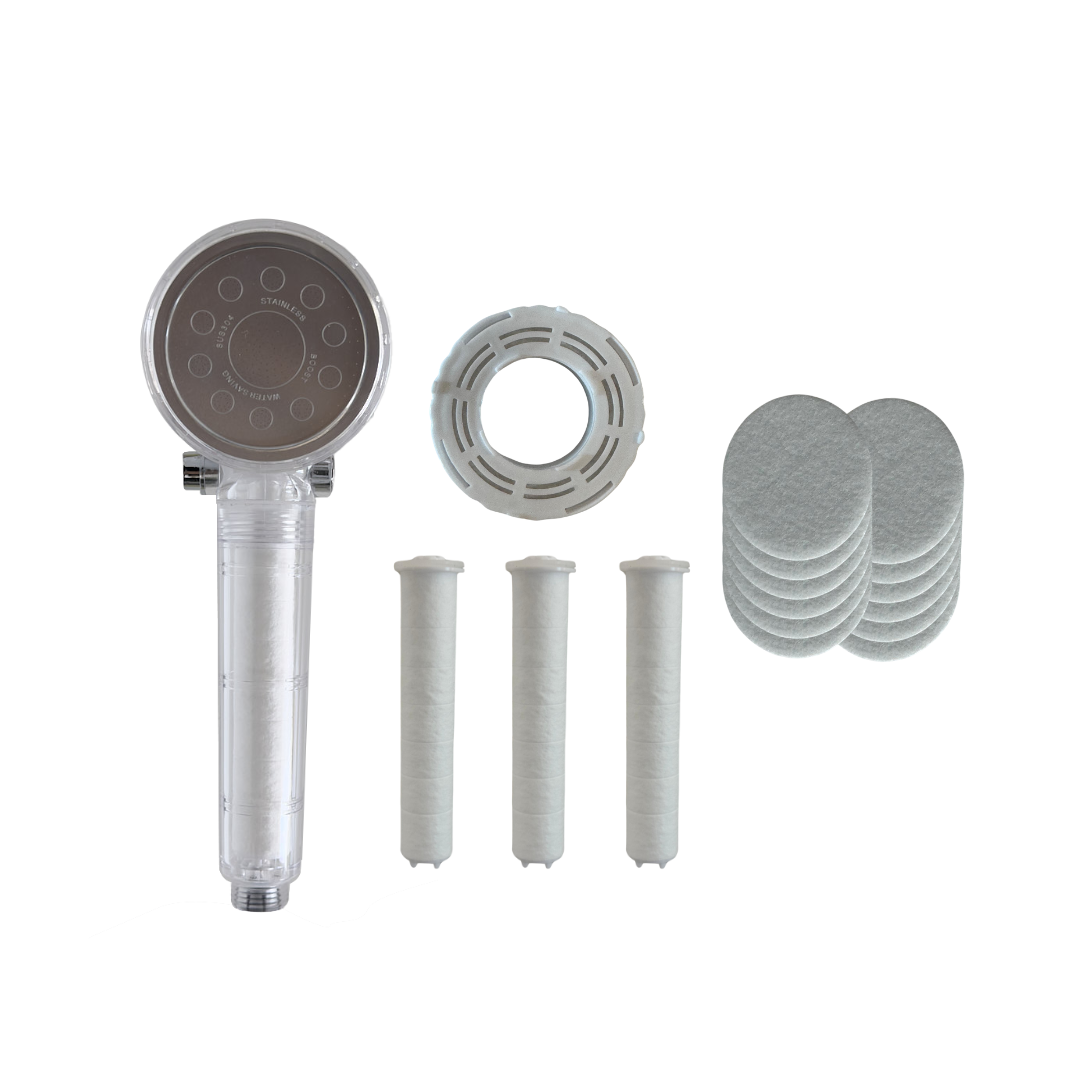
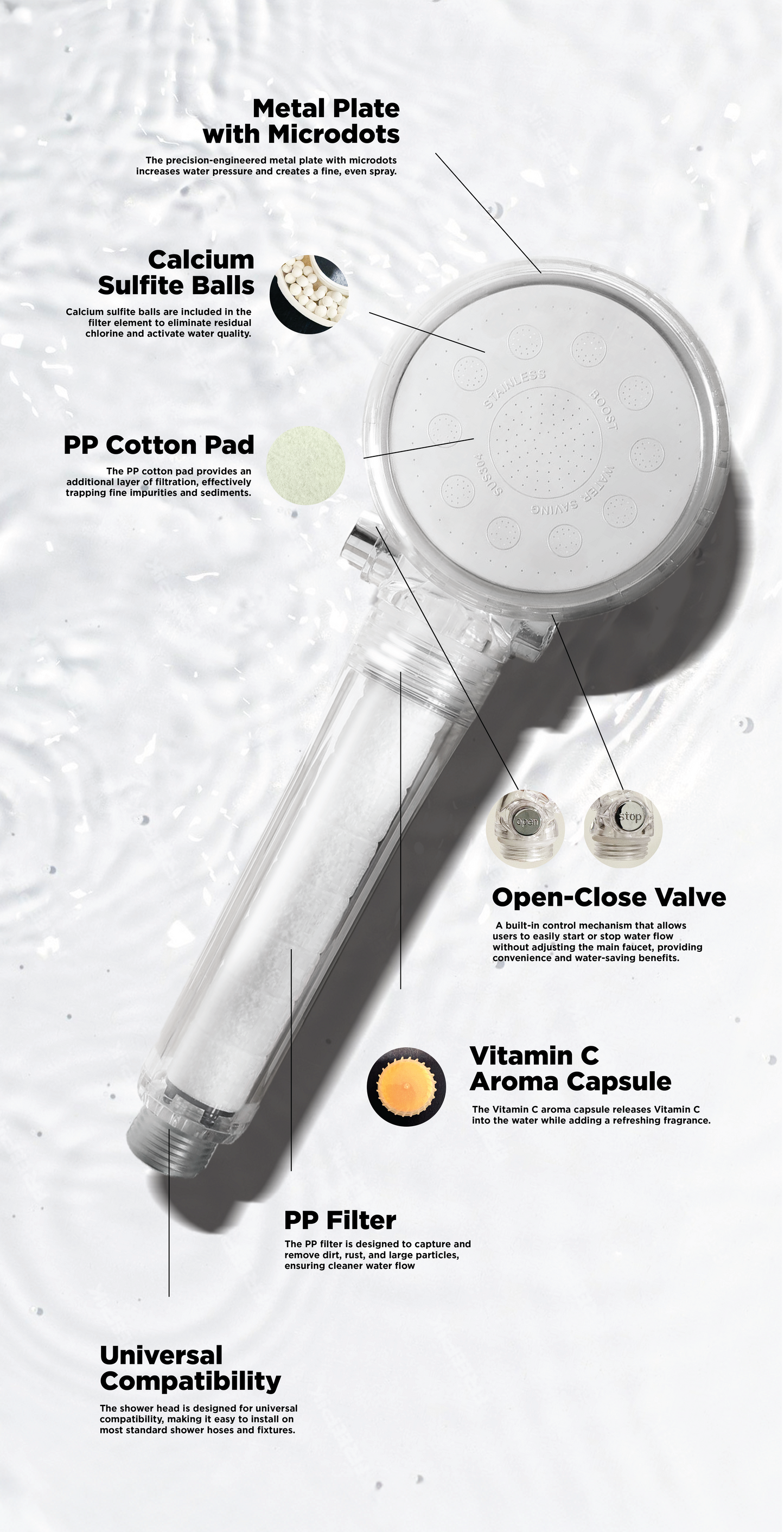
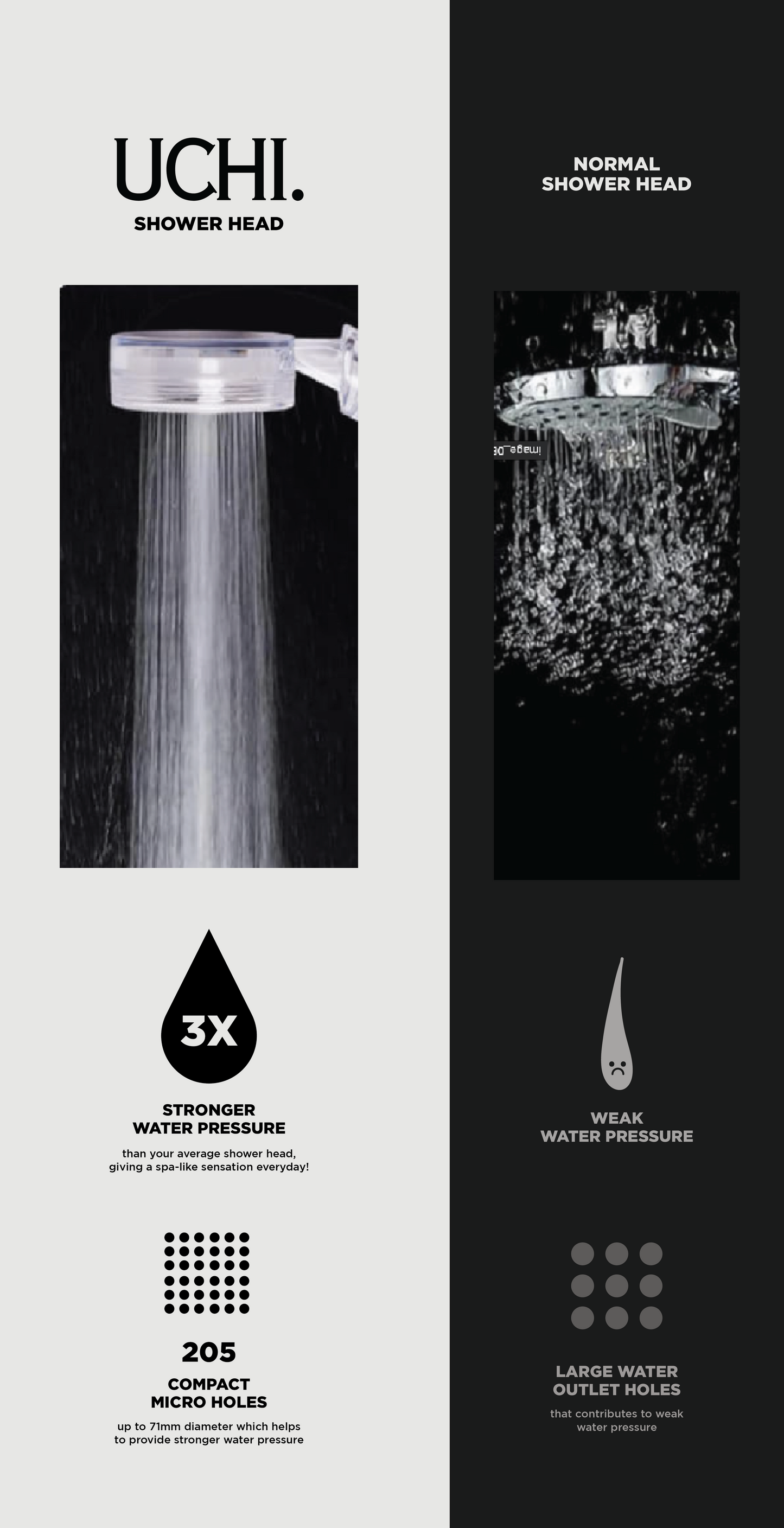
A well-designed shower filter must balance effective filtration with stable water flow. The UCHI Shower Head Filter is engineered specifically for Malaysian water conditions, helping trap sediments and chlorine while maintaining comfortable pressure—when maintained correctly.
By replacing the filter cartridge on schedule and performing simple checks, users can enjoy clean water without sacrificing performance.
Final Takeaway: Pressure Problems Are Preventable
A drop in shower pressure is not a reason to abandon filtration; it is a reminder to maintain it. With timely troubleshooting, proper filter replacement, and simple cleaning habits, you can restore water flow, protect your fixtures, and prevent hidden plumbing damage.
Sometimes, the smartest solution is not removing protection but understanding how to care for it.