
Why Every Newborn in Malaysia Deserves a Shower Head Filter
Share
Bringing a newborn home is one of the most joyful moments for any family—but it’s also when your baby is at their most vulnerable. While parents carefully choose organic baby soaps, fragrance-free lotions, and gentle fabrics, one critical factor is often overlooked: the water used to bathe your newborn.
In Malaysia, where tap water is treated with chlorine and may contain sediments, rust, and heavy metals, your baby’s delicate skin is exposed to harsh elements from their very first bath. What seems harmless can quietly trigger skin irritation, dryness, rashes, and long-term sensitivity.
This is why filtered shower water isn’t a luxury—it’s a basic layer of protection every newborn deserves.
Newborn Skin Is Not “Just Smaller Adult Skin”
Many parents assume that a baby’s skin is simply a softer, more delicate version of adult skin. In reality, newborn skin is biologically incomplete—still developing, still learning how to protect itself, and far more vulnerable to environmental stressors than most parents realize.
This immaturity is exactly why water quality matters far more for babies than for adults.
1. A Thinner Skin Barrier = Easier Chemical Penetration
Newborn skin is up to 30% thinner than adult skin. The outermost protective layer—the stratum corneum—is not yet fully formed, meaning:
- Chlorine, heavy metals, and waterborne contaminants penetrate more easily
- Irritants linger longer on the skin after bathing
- Moisture escapes faster, leading to dryness and micro-cracks
In simple terms, what might be “tolerable” for adult skin can be actively damaging for a newborn. Even brief daily exposure to chlorinated water can repeatedly disrupt a baby’s fragile skin barrier—day after day.
2. Underdeveloped Oil Production = No Natural Defense
Adults rely on natural oils (sebum) to help protect and waterproof the skin. Newborns, however:
- Produce very little sebum
- Lack sufficient lipid layers to repel irritants
- Cannot “bounce back” quickly after exposure to harsh water
This makes baby skin especially susceptible to:
- Flakiness and peeling
- Redness and inflammation
- Eczema flare-ups (which are increasingly common in Malaysian infants)
When chlorinated or hard water strips away what little natural moisture exists, the damage is immediate and visible.
3. Higher Absorption Rate = Greater Risk
Because newborn skin absorbs substances more readily:
- Chemicals in water don’t just stay on the surface
- Repeated exposure increases systemic absorption risk
- Even low-level irritants can trigger reactions over time
This is particularly concerning in Malaysia, where:
- Tap water is heavily treated with chlorine
- Aging plumbing systems may introduce metal residues
- Hard water minerals can remain on the skin after rinsing
A baby’s bath—meant to be soothing—can unknowingly become a daily exposure event.
4. Immature Immune Response = Stronger Reactions
Newborn immune systems are still developing. Their skin reacts faster and more intensely to irritation, often showing symptoms adults might ignore:
- Heat rashes that worsen after bathing
- Persistent redness around folds and creases
- Unexplained itchiness or discomfort
- Crying during or after bath time
Parents often blame soaps, diapers, or weather—without realizing the water itself may be the trigger.
5. Early Damage Can Set the Stage for Long-Term Sensitivity
Dermatologists increasingly warn that skin barrier damage in infancy can have long-term consequences, including:
- Chronic dry or sensitive skin
- Increased eczema risk
- Heightened allergy susceptibility later in life
Repeated exposure to harsh water during the first months of life may quietly shape a child’s skin health for years to come.
Chlorine in Malaysian Tap Water: A Hidden Threat for Babies
Chlorine is widely used in Malaysia’s municipal water supply to kill bacteria and ensure water safety. While effective for public health, chlorine is extremely drying and irritating, especially for newborns.
Repeated exposure to chlorinated bath water can:
- Strip away natural oils from baby skin
- Disrupt the skin barrier
- Trigger dryness, redness, and flaking
- Worsen conditions like eczema and cradle cap
For a newborn, even short daily baths can quickly lead to persistent skin problems.
Sediment, Rust & Heavy Metals: What Parents Don’t See Can Hurt
In many Malaysian homes—especially high-rise apartments, older buildings, or areas with aging pipes—tap water may also contain:
- Fine sediment
- Rust particles
- Trace heavy metals such as iron or copper
While often invisible, these impurities can:
- Irritate baby skin on contact
- Leave residue that disrupts skin pH
- Increase the risk of rashes and inflammation
Malaysia’s Ministry of Health acknowledges that water quality can vary depending on plumbing systems and infrastructure. For newborns with developing immune systems, early exposure matters.
Why Filtered Water Is Crucial for Baby Baths
Baby skincare products alone cannot protect against harsh water. If the water itself is irritating, even the gentlest soap can’t prevent damage.
Using filtered shower water helps by:
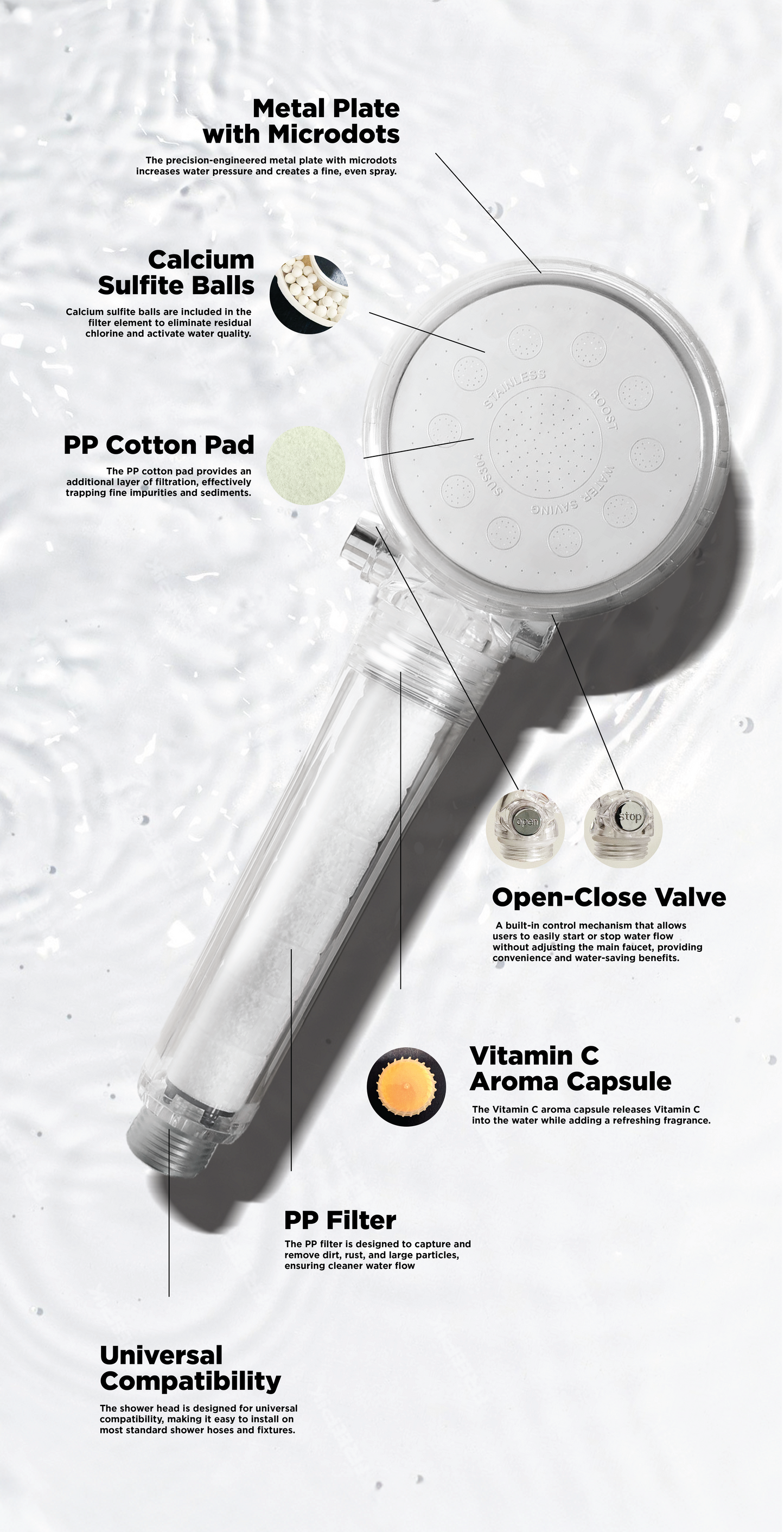
- Reducing chlorine exposure
- Filtering sediments and heavy metals
- Producing gentler, softer water
- Supporting a healthy skin barrier from day one
This is especially important in Malaysia, where:
- Babies are bathed frequently due to heat
- Families rely heavily on showers for baby baths
- Air-conditioning further dries out skin
Filtered water creates a safer bathing environment, reducing the risk of long-term skin sensitivity.
Real-Life Malaysian Experience: Why Parents Notice Issues Early
Many parents—local and expatriate—report:
- Baby skin becoming dry after just a few weeks
- Red patches appearing despite gentle products
- Frequent need for medicated creams
- Eczema flare-ups without family history
Often, the common denominator is unfiltered tap water.
Protecting Your Baby Starts with Simple Prevention
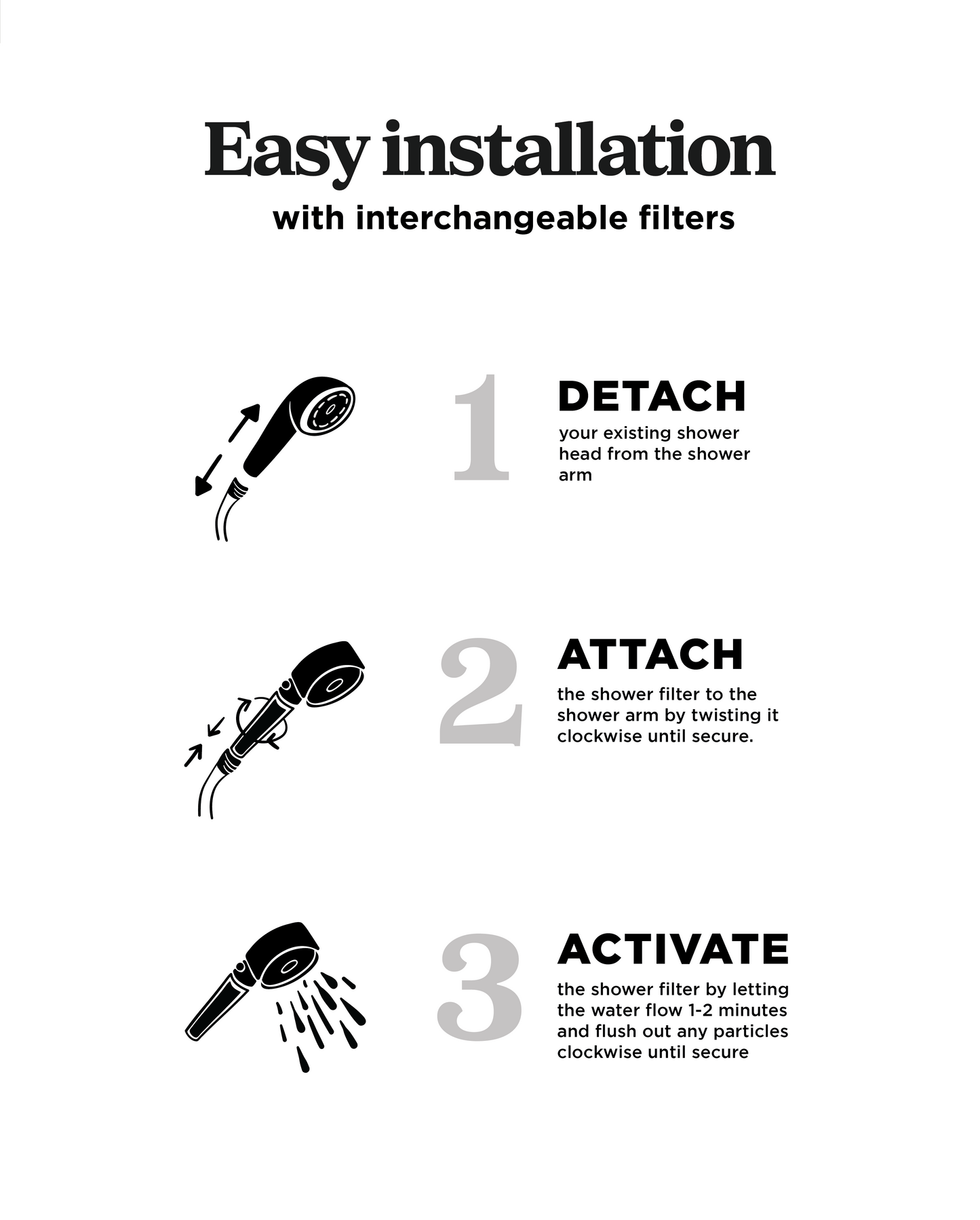
You can’t control everything your newborn is exposed to—but you can control the water they bathe in. Installing a shower head filter is a simple, non-invasive step that:
- Requires no plumbing changes
- Takes minutes to install
- Protects your baby at every bath
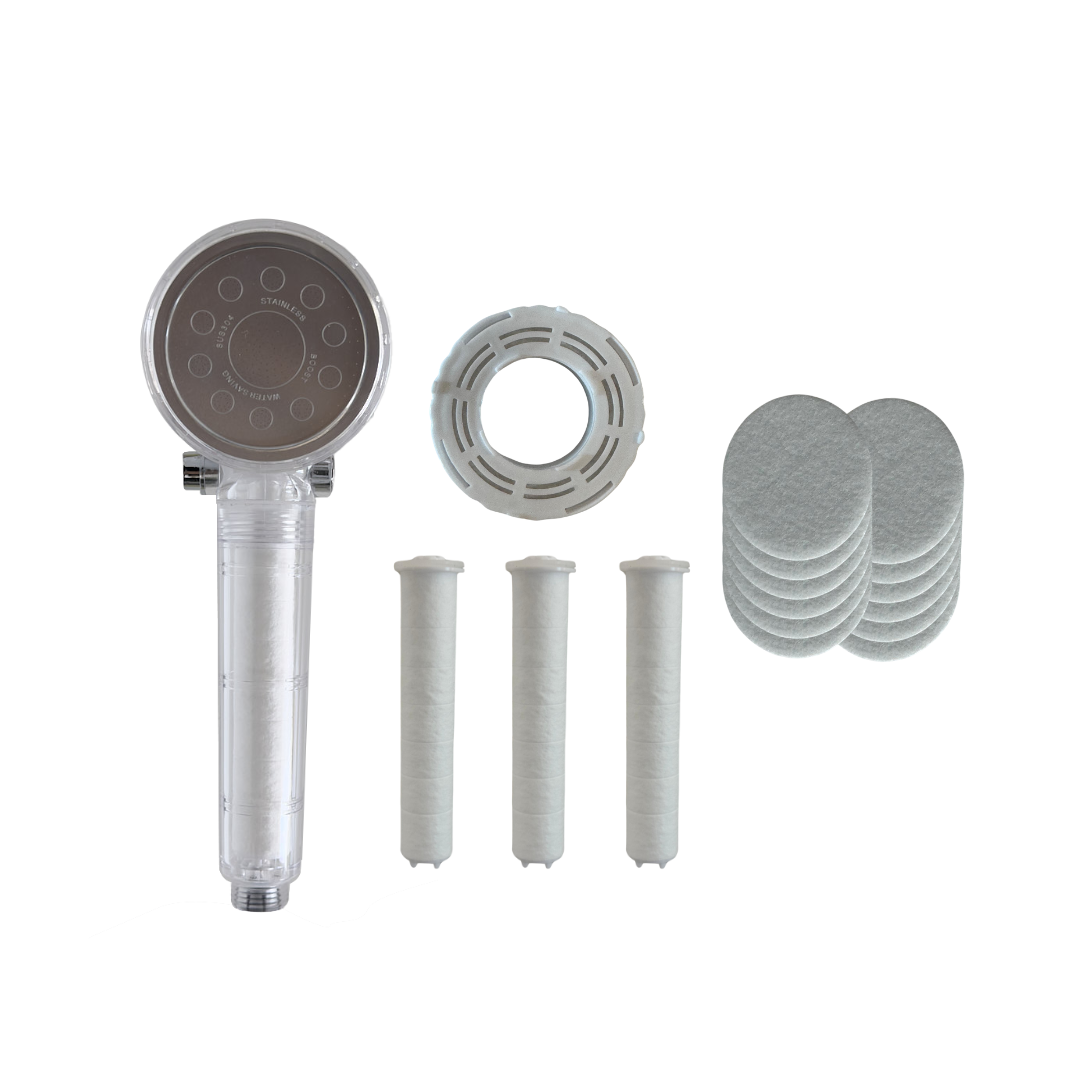
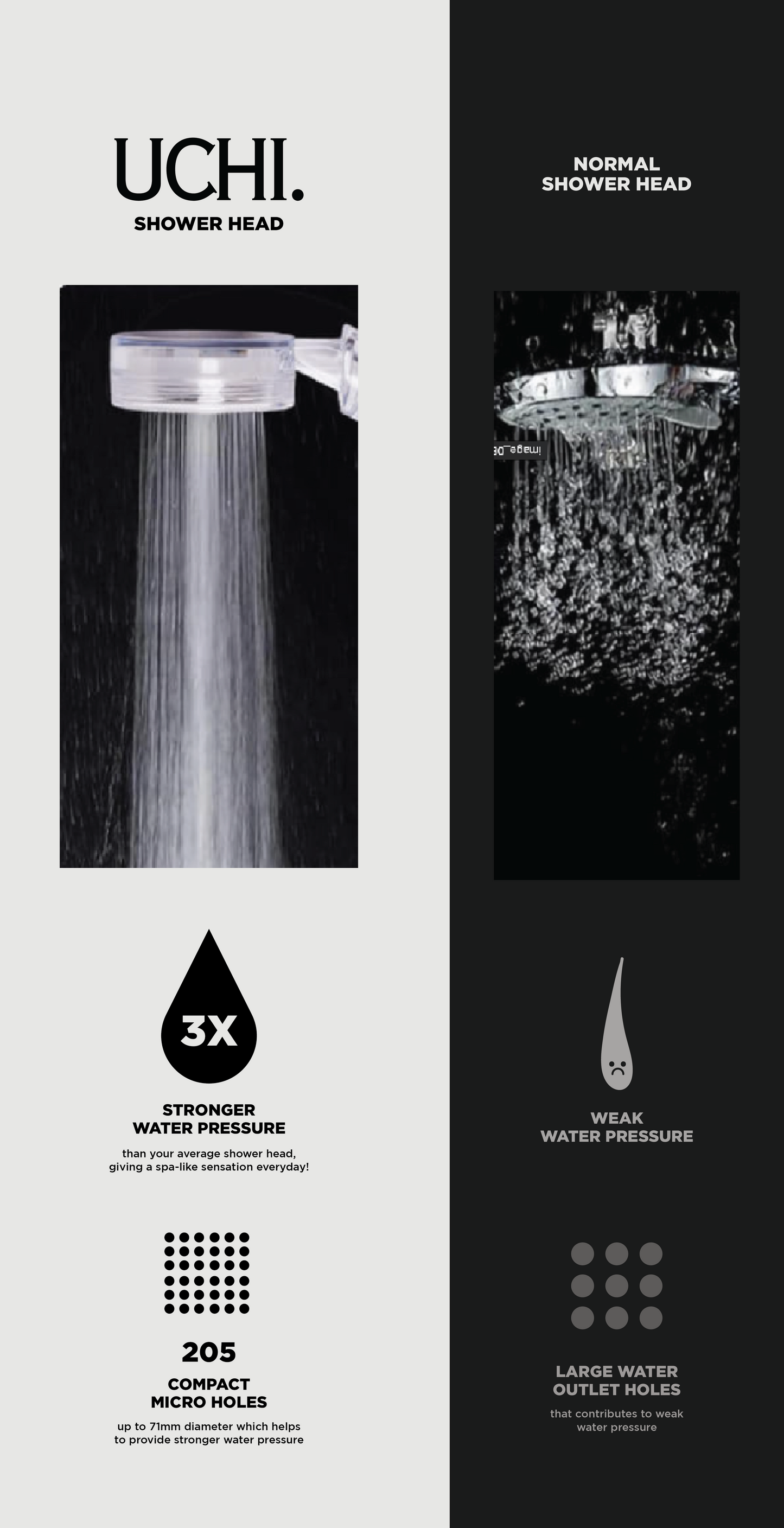
The UCHI Shower Head Filter is designed for Malaysian households to reduce chlorine, sediment, and other impurities—creating safer water for the whole family, especially your newest member.
Your newborn’s skin is forming its first line of defense against the world. Early exposure to harsh water can quietly compromise that barrier—sometimes for years to come. Filtered shower water isn’t about fear. It’s about prevention, gentleness, and giving your baby the safest possible start.
Learn more about protecting your baby’s bath time here: https://uchi.com.my/products/uchi-shower-head-filter