
Why Switching to a Shower Head Filter is the Best Eco-Friendly Bathroom Upgrade
Share
We Live in a World Where Even Your Shower Has an Environmental Impact
Malaysia’s tropical climate and rapid urbanisation have shaped how we live—and how we use water. With hot weather nearly year-round, many Malaysians and expatriates find themselves showering multiple times a day. While this feels refreshing, there’s a hidden environmental cost to every running tap.
Most people think of water conservation in terms of turning off the tap or shorter showers. But few realise that the quality of water itself—especially chlorine and chemical content—has an eco footprint far beyond the bathroom. The water that comes out of our shower heads doesn’t just touch our skin; it goes down the drain and impacts the home ecosystem, the sewage systems, and even local waterways.
It’s time to consider not just how much water we use, but what kind of water we’re sending back into the environment.
Chlorine in Tap Water: A Necessary Chemical With Unintended Environmental Consequences
To keep tap water microbiologically safe, Malaysian water authorities add chlorine as a disinfectant. This practice is essential for public health but comes with significant downstream effects. While chlorine is effective at killing harmful bacteria, it doesn’t just vanish when you shower.
When chlorinated shower water evaporates or runs off into drains, it contributes to chlorine emissions—volatile compounds that can react with organic matter in your plumbing and local waterways. These reactions form byproducts such as trihalomethanes (THMs), which are known to persist in aquatic environments and can be harmful to fish, plants, and other organisms.
In other words, every unfiltered shower contributes a small but cumulative dose of chemical burden to your home plumbing and ultimately to the environment.
The Link Between Bathroom Water Quality and Household Sustainability
Sustainability isn’t just about reducing plastic or recycling. It’s about using less, wasting less, and preventing harmful substances from entering the ecosystem at every stage of daily life. And no room in the home demonstrates this more clearly than the bathroom.
Traditional, unfiltered tap water:
- Increases chemical load in household wastewater
- Contributes to pipe corrosion, which leads to more frequent replacements
- Adds to energy waste, since we often rinse and shower longer to achieve cleanliness
- Forces higher use of soaps and shampoos to combat mineral interference
When chlorine and sediments remain in the water you shower in, they leave residues on your skin and hair. To feel clean again, you may rinse longer or use more product—both of which increase water consumption and chemical discharge into drains. In Malaysia’s urban wastewater systems, which are already under stress during heavy rain and heat waves, this adds another layer of burden on treatment plants.
How a Shower Head Filter Reduces Chlorine Emissions and Environmental Impact
Switching to a shower head filter transforms your bathroom water from a chemical-laden burden into a cleaner, gentler resource with lower environmental impact.
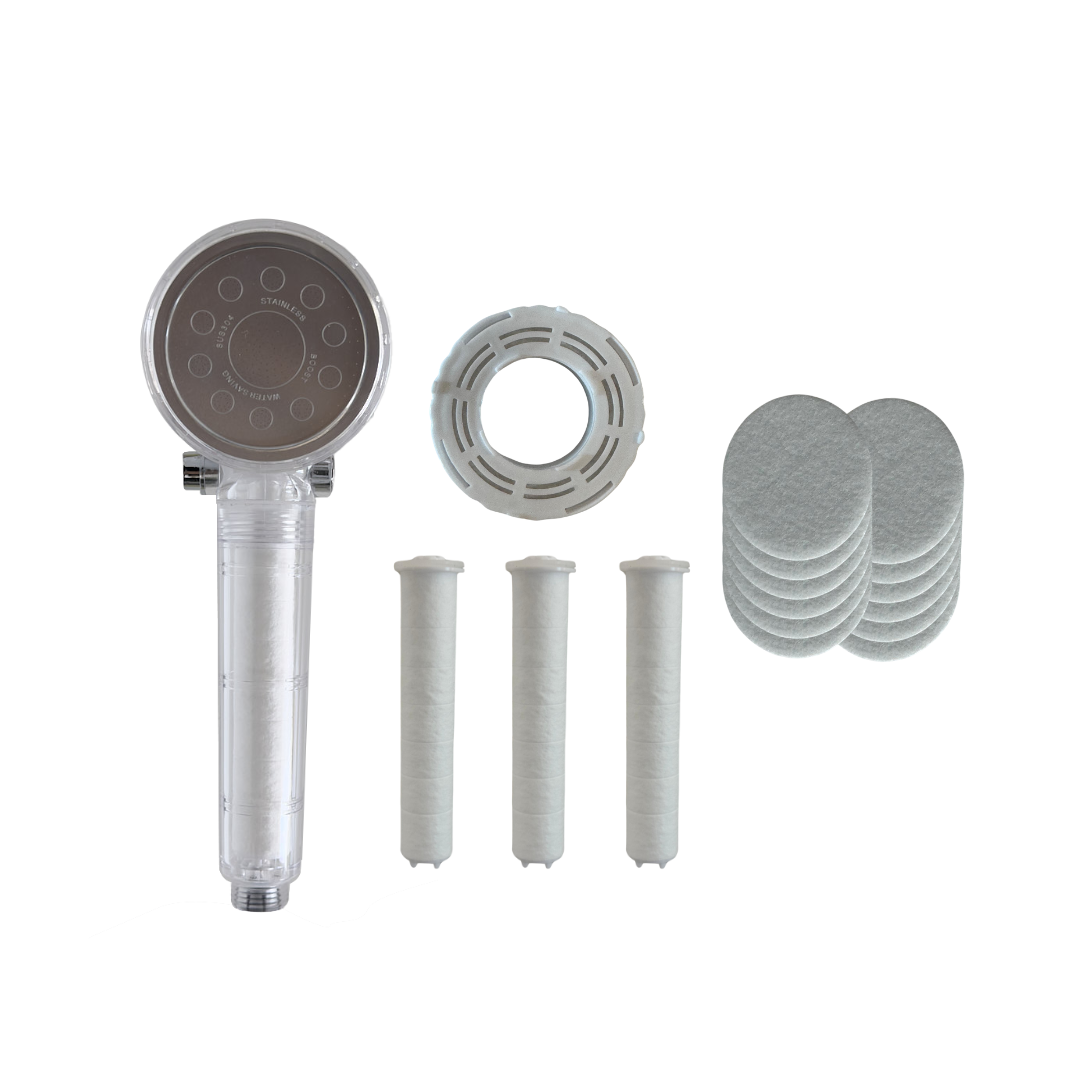
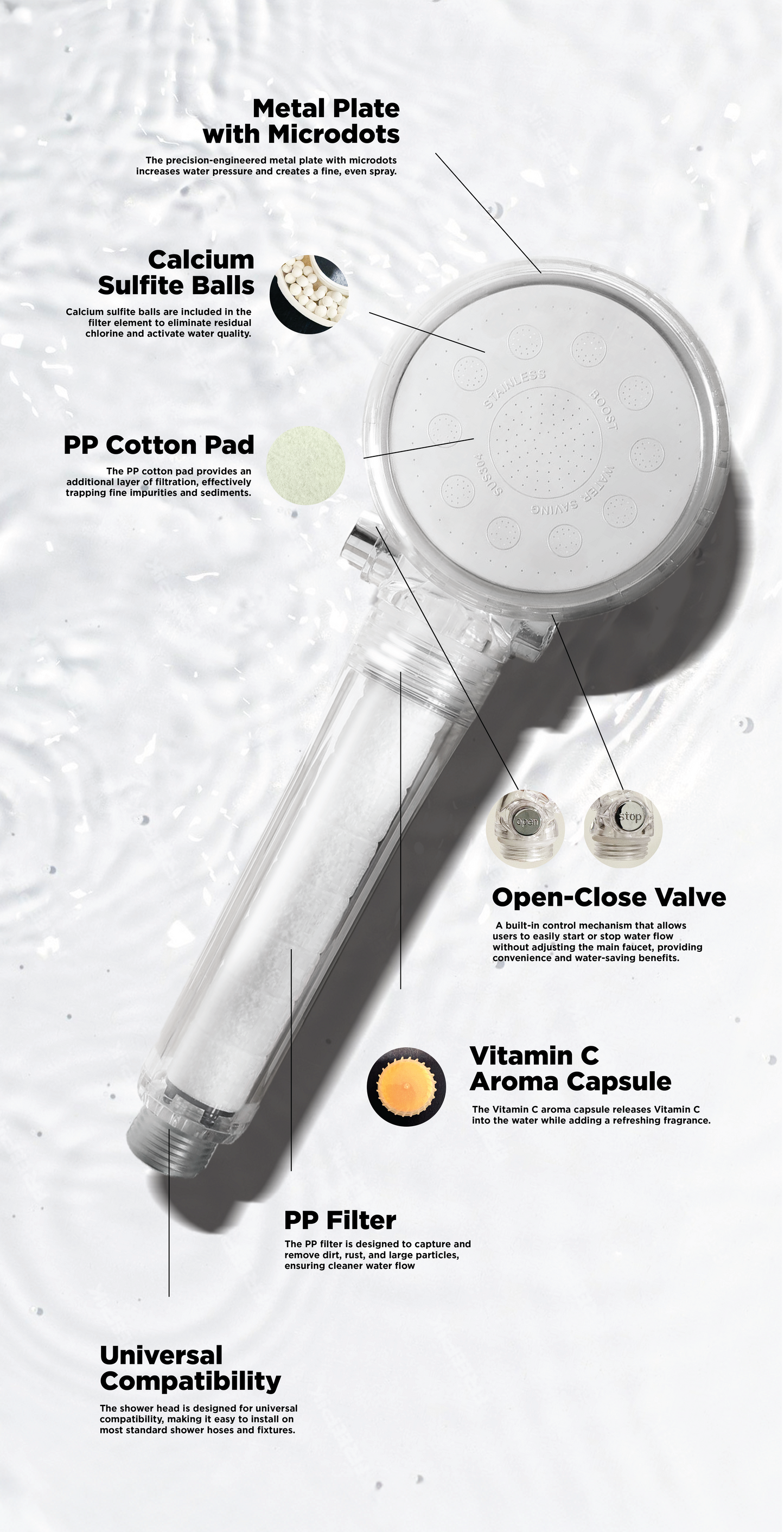
A good shower head filter, like the UCHI Shower Head Filter, works by removing or reducing chlorine, heavy metals, rust, and other impurities before the water ever touches your skin. This has several eco-friendly effects:
- Less chemical discharge: With chlorine reduced, fewer harmful byproducts are carried into wastewater.
- Lower wastewater toxicity: Cleaner water entering drains reduces the toxic load sewer systems must process.
- Improved water efficiency: When water feels cleaner and more effective, you rinse less and reduce overall water usage.
- Reduced product waste: Better water quality means bath and hair products work more efficiently, requiring smaller quantities and fewer plastic bottles.
Filtered water is not just softer on your skin; it is softer on the environment.
Premature Aging, Dryness, and How Water Quality Makes It Worse
There’s another often overlooked ecological connection: the health of your own body as an indicator of environmental stress.
Chlorine and heavy minerals in water don’t just irritate the skin—they strip away natural oils and disrupt the skin’s protective barrier. This leads to dryness, inflammation, and premature signs of aging such as fine lines and rough texture. When your skin suffers, it triggers a cascade of behavioural responses—more showers, more skincare products, more cleaning products—each adding to environmental impact.
A study by dermatology researchers showed that repeated exposure to chlorinated water accelerates skin dryness and barrier dysfunction, which increases product usage and daily water contact time—a subtle form of environmental feedback loop .
Malaysia’s Unique Water Challenges Make This Upgrade Even More Important
The combination of:
- High humidity
- Frequent rainfall and water surges
- Shared plumbing systems in condos
- Aging infrastructure in older neighbourhoods
…means that tap water in Malaysia is often more turbulent and sediment-heavy than in many other countries. Localised hard water issues are prevalent in regions like Selangor, KL, Johor Bahru, and Penang due to geological mineral deposits.
These conditions escalate:
- Mineral buildup in fixtures and drains
- Energy and product use to clean stubborn residues
- Water consumption during longer showers
- Chemical discharge into drainage systems
For expatriates living here, this can come as a shock compared to softer water regions. But it also presents a unique opportunity: an eco-friendly bathroom upgrade can deliver immediate, visible impact.
Eco-Friendly Bathroom Upgrades: Why a Shower Head Filter Comes First
When considering sustainable improvements in the home, people often think of:
- Low-flow toilets
- Dual flush systems
- Water-efficient washing machines
- LED lighting
These upgrades are valuable, but they don’t address a more intimate and frequent point of contact with water: the shower. The shower is:
- A daily ritual for most people
- A point where water interacts directly with the entire body
- A source of high water usage per session
- A conduit for chemicals into household wastewater
By addressing the shower first with a filter that improves water quality, you begin improving sustainability from the inside out. Filtered shower water leads to:
- Lower chlorine and chemical emissions
- A reduction in overuse of soaps and shampoos
- Shorter, more efficient showers
- Less wear on plumbing (reducing replacement-related waste)
- Cleaner wastewater entering municipal systems
This makes the shower one of the most impactful places to start in an eco-friendly bathroom strategy.
Take Action: A More Sustainable Bathroom Starts With Your Water
Sustainability is more than a buzzword; it is a daily practice. When you begin to see your bathroom as part of a larger environmental system—where local water quality, chemical discharge, and daily habits intersect—you can make smarter choices that benefit both the planet and your home.
A shower head filter is a smart, eco-conscious upgrade that:
- Improves water quality
- Reduces environmental burden
- Protects your skin and hair
- Encourages more efficient water use
For Malaysian homes, where water is both precious and easily stressed, upgrading to a shower filter is a practical and meaningful step toward sustainability.
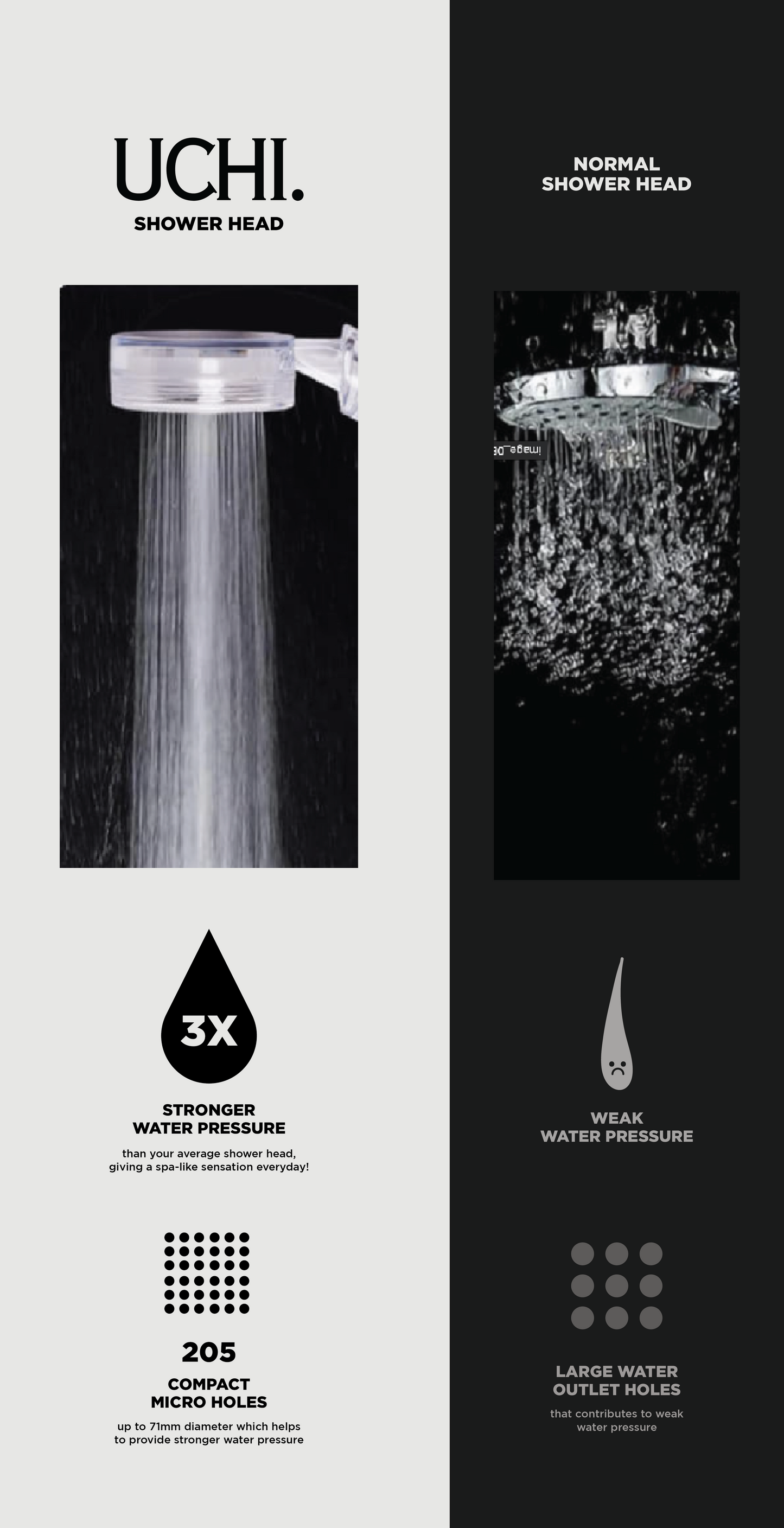
If you’re ready to make an eco-friendly bathroom upgrade that matters on a daily basis, consider the UCHI Shower Head Filter for your home. With chlorine reduction, sediment filtration, and improved water feel, it supports both your well-being and your environmental footprint—without compromising comfort.
Explore the UCHI Shower Head Filter and start transforming your bathroom into a more sustainable space today.